Yes, you can microwave cookie dough, but safety matters. Use only microwave-safe dough labeled for that purpose—avoid regular dough with raw eggs or untreated flour. Heat-treated or edible dough varieties work best. Start with 30 seconds on high power, then add 10-20 second bursts as needed. Let it rest for five minutes after cooking so heat distributes evenly. The result? A gooey center with set edges. For perfectly textured cookies, there’s more to know about timing, techniques, and which doughs perform best.
Can You Safely Microwave Cookie Dough?
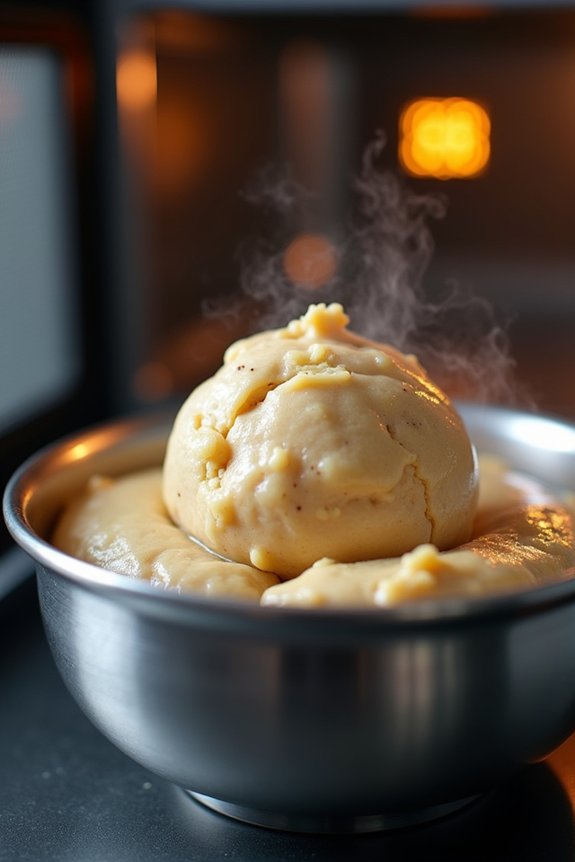
you can microwave cookie dough, but it takes some finesse. The key to microwaving safety is choosing the right dough. Look for microwave-safe dough labeled specifically for that purpose. Many store-bought options work well this way.
Raw egg risk is real with regular cookie dough. If your dough contains raw eggs or untreated flour, skip the microwave. Instead, select dough made with heat-treated flour. This eliminates harmful bacteria concerns.
Raw egg risk is real with regular cookie dough. Select dough made with heat-treated flour to eliminate harmful bacteria concerns.
Use a microwave-safe bowl and set your power to medium. Start with 20–30 seconds for smaller portions. Check your dough frequently to avoid overcooking. Uneven heating happens easily, so patience matters here. After microwaving, let your dough rest briefly. This distributes heat evenly and improves texture.
Always follow the product’s specific guidance before microwaving.
Why Raw Dough Poses Safety Risks
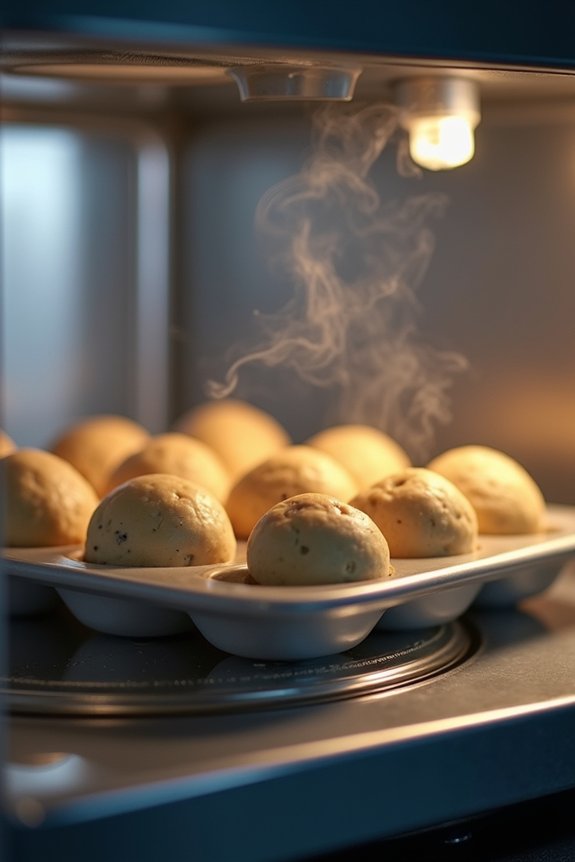
Raw cookie dough carries real health risks because both the flour and eggs can harbor dangerous bacteria like E. coli and Salmonella if they haven’t been treated or cooked. When you microwave dough, the uneven heating means some spots might stay cool enough for bacteria to survive, even if other parts get hot. You need to reach an internal temperature of 160°F for eggs and 165°F for flour-based foods to kill these pathogens, which is tricky to guarantee with microwave cooking alone.
Bacterial Contamination In Flour
The danger lurking in cookie dough isn’t always what we think it is. I’m talking about bacteria hiding in your flour. Unlike other grains, flour isn’t treated to kill harmful pathogens like Salmonella. When you mix raw flour with eggs or dairy, you’re creating the perfect environment for foodborne illness.
| Risk Factor | What Happens |
|---|---|
| Raw flour | Contains Salmonella bacteria |
| Mixed with eggs | Increases contamination risk |
| Uncooked dough | Allows bacteria to survive |
| Small tastes | Still pose safety threats |
Here’s what matters: heat-treated flour keeps you safe. Pasteurization kills pathogens before baking. You can heat flour to 160°F before mixing, or simply cook your dough thoroughly. Skip the raw dough bites entirely. Your stomach will thank you for choosing safety over taste tests.
Raw Egg Health Hazards
Why should we care about raw eggs in cookie dough? Raw eggs can carry Salmonella, a bacteria that causes foodborne illness with symptoms like stomach pain and fever. When you eat uncooked dough, you’re consuming bacteria that heat hasn’t killed yet.
Here’s the thing: heat-treated dough is your safety solution. Cooking dough to 160°F kills harmful bacteria, making it safe for consumption. I’d recommend microwaving your dough for short intervals, stirring between rounds, until it reaches that temperature.
Certain groups need extra caution. Pregnant people, young children, elderly individuals, and anyone with weakened immune systems should avoid raw dough entirely. These vulnerable populations face serious complications from foodborne illness.
Skip the raw dough risk. Microwave it properly, and you’ll enjoy cookie dough safely.
Temperature Requirements For Safety
How hot does your cookie dough actually need to get? I’ll tell you straight: reaching the right internal temperature kills harmful bacteria hiding in raw eggs and untreated flour. You’re aiming for 160°F throughout the entire dough, not just the surface.
| What You’re Fighting | Temperature Needed |
|---|---|
| E. coli from flour | 160°F |
| Salmonella from eggs | 160°F |
| Uneven microwave spots | Thermometer check |
| Peace of mind | Full doneness |
Microwaves heat unevenly, so I recommend using a food thermometer to verify doneness in multiple spots. Your safest bet? Choose heat-treated flour and pasteurized ingredients when possible. They’ve already undergone safety processing. If you’re microwaving regular cookie dough, keep checking that internal temperature until you’re certain it’s safe to eat.
Which Cookie Doughs Microwave Best?
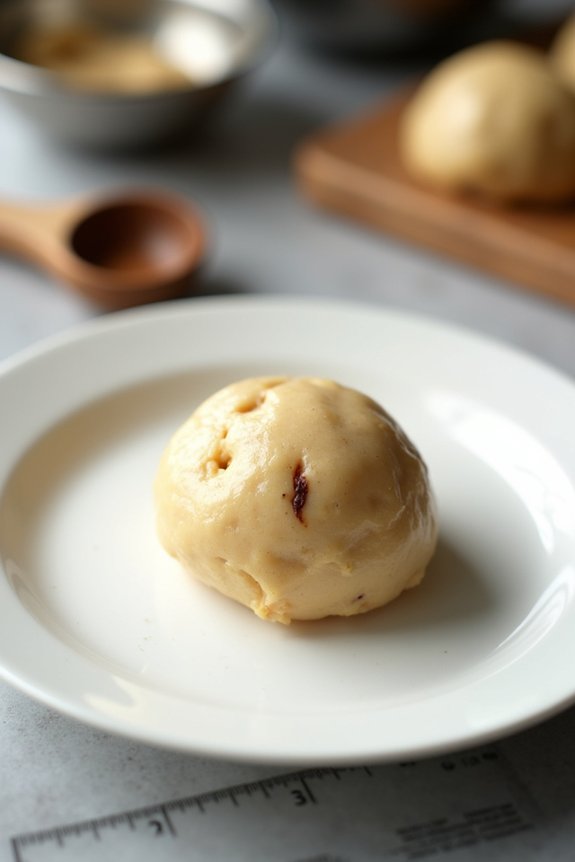
Not all cookie doughs perform equally in the microwave, so you’ll want to start with pre-made edible varieties that are specifically labeled as microwave-safe. These microwave-safe doughs are your best bet for success.
Pre-mixed edible dough designed for quick cooking delivers consistent results. Unlike raw or untreated batters, these formulations heat evenly and won’t leave you worried about food safety issues. The cook time depends on your portion size. Smaller scoops finish around 30 seconds on high, while larger portions need an additional 10–20 seconds.
Shape your dough into uniform portions in a lightly greased microwave-safe dish. Even shaping matters because irregularly formed lumps cook unevenly. Start at 30 seconds, then adjust in 10–20 second intervals based on your microwave’s power. You’re looking for gooey centers with set edges.
What Makes Cookie Dough Microwave-Safe
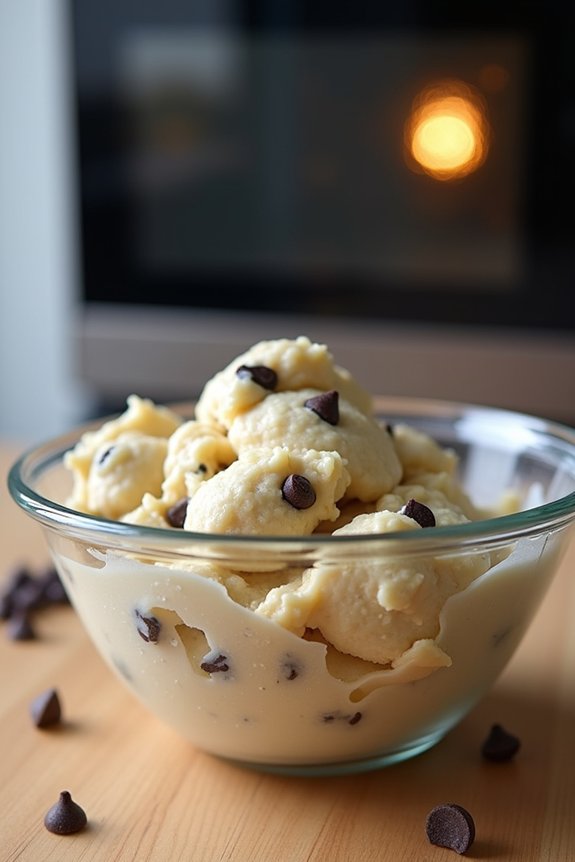
Several key factors determine whether your cookie dough can actually handle microwave cooking safely. First, I’d recommend choosing edible cookie dough or products specifically labeled microwave-safe. These options skip the risky stuff—raw eggs and untreated flour that can harbor bacteria.
Choose edible cookie dough or microwave-safe products to avoid risks from raw eggs and untreated flour.
Look for heat-treated flour in your ingredients. This processed flour eliminates bacterial concerns, making safe microwaving possible. Check every component before heating.
Next, verify your dish is microwave-safe and metal-free. Shape your dough into even, uniform thickness so heat distributes properly.
Cooking method matters too. I use short bursts of 20–40 seconds with rest periods between them. This approach prevents hot spots and undercooked centers.
What You’ll Need: Tools and Containers
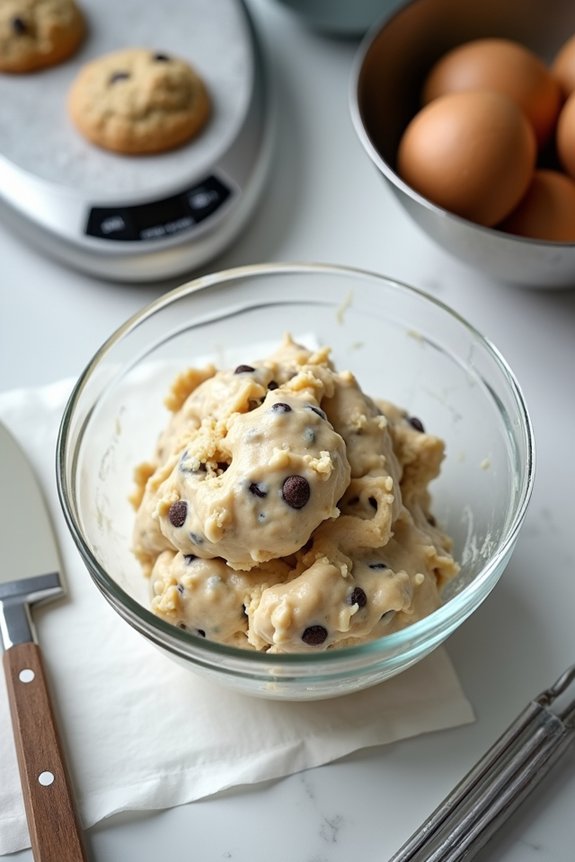
Now that you’ve confirmed your dough is microwave-safe, let’s talk about what you’ll actually need in your kitchen. Grab microwave-safe bowls—these won’t spark or overheat when zapped. You’ll also want a lightly greased 16 cm dish, which is about the size of a standard dessert plate. This size distributes heat evenly across your dough. Make sure all your ingredients are at room temperature before you start. Cold dough takes longer to cook unevenly.
A flexible timer helps you track those short bursts. You’re aiming for 60–100 seconds initially, then checking progress. This approach prevents overdoing it. Have a spatula ready for spreading batter evenly in your dish. Even distribution stops hot spots from forming. With these basics ready, you’re set to microwave successfully.
Step-by-Step Guide to Microwaving Cookie Dough
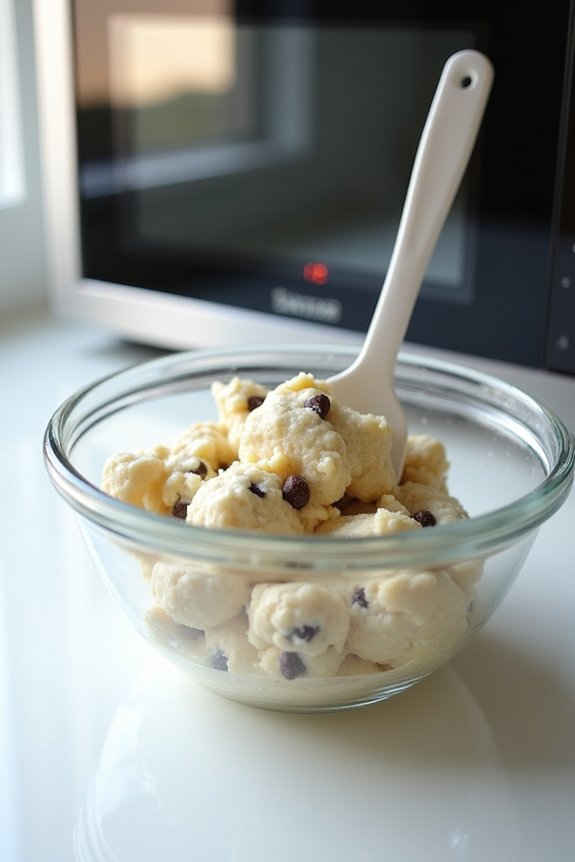
Ready to actually cook your cookie dough? I’ll walk you through it.
Shape your dough into a uniform 16 cm ball and place it in a lightly greased microwave-safe dish. This consistency matters for even cooking. Microwave your cookie dough for 60–100 seconds on high power. The exact time depends on your microwave’s strength and how gooey you want the center.
Here’s the crucial part: let it rest for 5 minutes after microwaving. This rest time allows the cookie to finish cooking through residual heat and set its texture properly. For single cookies, use just 1 tablespoon of dough and start at 15 seconds, adding 5-second increments as needed.
Finally, allow your cookie to cool about 5 minutes before eating. This cooling period improves both texture and flavor significantly.
Microwave Power Levels and Cooking Times
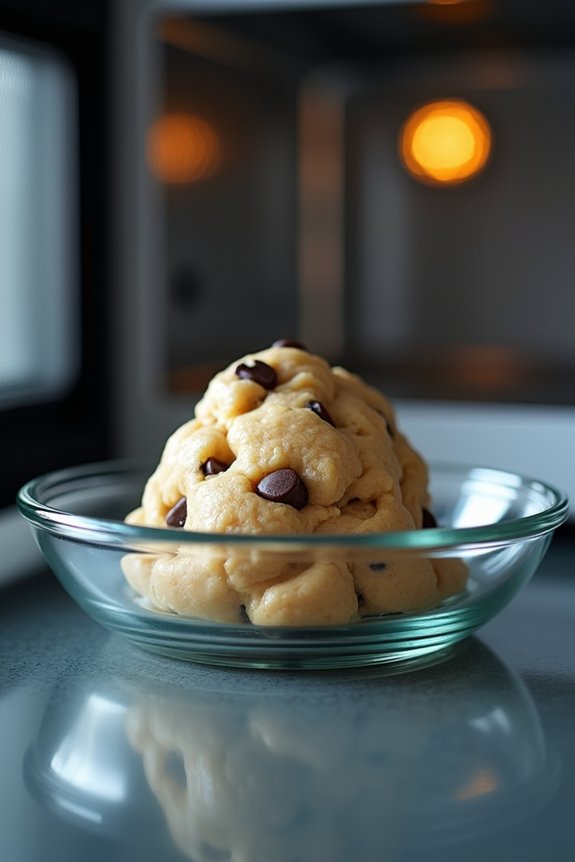
What’s the secret to perfectly microwaved cookie dough? Nailing your microwave power levels and cooking times.
The secret to perfectly microwaved cookie dough lies in mastering your microwave’s power levels and cooking times.
I recommend starting with 30 seconds on high for standard dough portions. If you’re working with larger scoops, add 10–20 seconds to prevent undercooking. Medium power works well too, offering safer, more even heat distribution across your dough portions.
Here’s what I’ve learned: rest time matters. After microwaving, let your dough sit for a few seconds. This allows residual heat to finish the cooking process without overdoing it.
Spread your batter in a shallow, lightly greased dish for best results. Rotate or stir halfway through if possible. Testing shows 2 minutes often densifies the dough, while 30 seconds yields that perfectly gooey center you’re after. Adjust in 10–20 second increments based on your specific microwave’s performance.
Why 30 Seconds Is the Ideal Starting Point
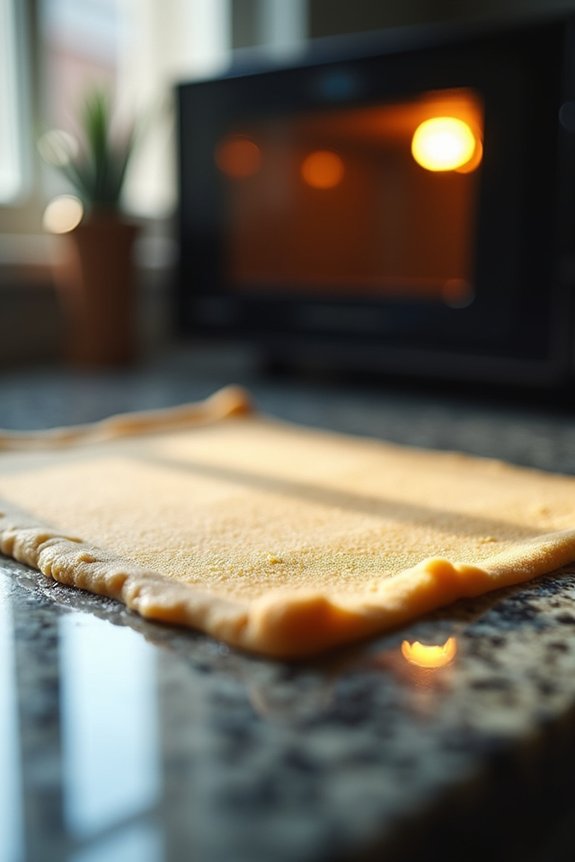
I’ve tested this extensively, and I’m telling you that thirty seconds is your magic number for starting—it gives you that perfectly warm, gooey center without the hard, overcooked bottom that longer times create. If you’re working with larger cookie dough scoops, you’ll want to add an extra ten to twenty seconds after that initial half-minute, adjusting based on how your specific microwave heats. Short bursts like this let you pause and check your progress, which means you’ll catch the exact moment it’s done instead of accidentally turning your treat into a crispy disk.
The Perfect Cook Time
How long should you actually microwave cookie dough? Start with 30 seconds on high. This microwave time gives you perfectly warm cookies with that gooey center you’re after, while reducing the overcooking risk that ruins everything.
Here’s the thing: larger scoop sizes need extra time. Add 10–20 seconds if you’re working with extra-large portions. Tests show that 2 minutes creates a carbon-like smell and dried-out disappointment. But 30 seconds? You’ll get slightly crispy bottoms and soft, warm insides.
The key is tailoring duration to your scoop size and your specific microwave. Every machine heats differently. Start at 30 seconds, check your results, then adjust future batches accordingly. This approach keeps you in control and prevents that burnt disaster.
Adjusting For Larger Portions
Why does portion size matter so much when you’re microwaving cookie dough? Larger portions need more time to cook through completely. I’ve found that starting with 30 seconds works great for standard-sized scoops, but bigger portions require adjusting your timing up increments. When you microwave cookie dough with extra-large scoops, add 10–20 seconds beyond that initial 30-second baseline. The key is checking after each increment. This approach prevents burning the edges while keeping that gooey center intact. Rushing with longer times upfront risks hard, dry bottoms. Instead, I recommend stopping at 30 seconds first, then adding time in small bursts. You’ll nail the perfect texture and maintain control over your results every time.
Preventing Overcooking And Burning
The sweet spot for microwaving cookie dough sits right at 30 seconds on high power. I’ve found this timeframe prevents overcooking while keeping those gooey centers intact. Our testing showed that 2 minutes produced hard, dry cookies, while 30 seconds delivered optimal results.
The key to burn prevention is using shorter bursts instead of one long zap. This approach minimizes hot spots and lets you check progress frequently. You’ll catch doneness right before edges turn crispy or bottoms char.
Your microwave timing matters because different models heat differently. Start with 30 seconds, then adjust in 10–20 second increments based on your specific dough and appliance. Check after each burst. This strategy keeps you from guessing and guarantees better results every time.
How to Fix Overcooked and Undercooked Cookies
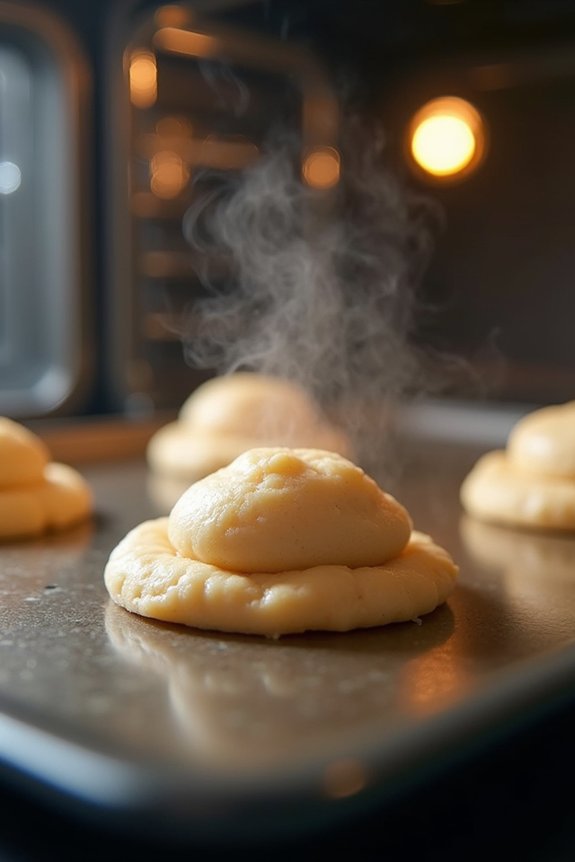
Getting the timing right when microwaving cookie dough can be tricky, and I’ve found that most problems fall into two camps: cookies that came out too hard and dry, or ones that stayed too soft and gooey.
| Problem | Solution | Result |
|---|---|---|
| Overcooked cookies | Reduce time by 10–20 seconds using shorter bursts | Chewier texture |
| Undercooked cookies | Add 5–15 seconds in small increments | Properly set exterior |
| Uneven heating | Rotate dish halfway through | Even cooking throughout |
| Hard bottom | Use medium power setting | Better overall texture |
For overcooked cookies, I cut back on microwave time and use shorter bursts to prevent drying. With undercooked cookies, I add time gradually and let them rest briefly. Rotating your dish halfway through promotes even heating. Using medium power and a microwave-safe dish reduces rubbery centers. For the best texture adjustment, slightly undercook in the microwave, then finish in your oven for chewier results.
Freezing Cookie Dough for Quick Microwave Batches
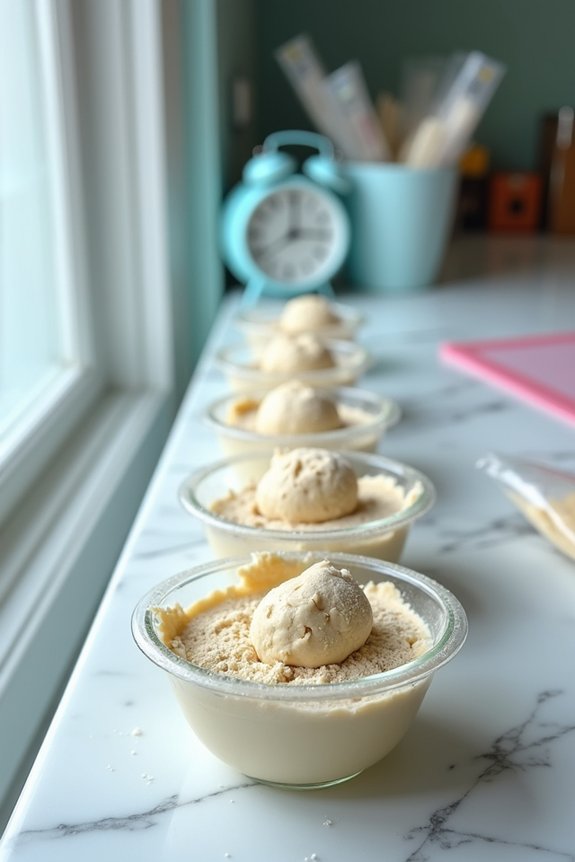
I’ll show you how to prep your dough for freezing and bake it straight from frozen whenever you want fresh cookies. First, scoop your dough into individual balls on a baking sheet, freeze them solid for about 2-3 hours, then transfer them to a ziplock bag for storage. When you’re ready for warm cookies, you can microwave or bake these frozen balls directly—no thawing needed—which gives you evenly cooked treats in minutes.
Preparing Dough For Freezing
Why wait for fresh dough when you can bake frozen cookie dough whenever you want? I scoop six cookies to bake immediately, then freeze the remaining dough on a separate sheet for later use. The key to successful cookie dough freezing is shaping dough into balls properly. I portion each ball individually to ensure even baking when you bake from frozen. Once shaped, I place cookie balls on a sheet and freeze them solid before transferring them to a ziplock bag for long-term storage. This method gives you repeated practice with the process. By taking time now to freeze individually portioned dough, you’ll enjoy hot, homemade cookies anytime without making new dough each time.
Baking From Frozen State
Once you’ve got your dough balls frozen solid and stored in a zip-top bag, you’re ready to skip the thawing step entirely. Grab a few frozen cookie dough pieces straight from your freezer and place them on a baking sheet. You can bake from frozen at 350°F for about 12-15 minutes—they’ll bake up perfectly without any prep work. If you’re using a microwave for quick results, arrange your frozen dough scoops on a microwave-safe plate and heat them in 30-second intervals at 50% power until they’re done. The beauty of dough scoop freezing is this: you get hot, homemade microwave cookies in minutes. Practice this method and you’ll master quick baking anytime cravings hit.
Serving Microwave Cookie Dough With Ice Cream

How’d you like to create a warm-and-cold dessert in under five minutes? I’ve found that microwave cookies paired with ice cream deliver something special. Here’s what I do: I microwave a small portion of cookie dough for 30-45 seconds until it’s just set but still has that gooey center. The warmth matters because it creates an amazing contrast when you top it with cold ice cream.
I’ve learned smaller portions work best. They cook evenly and stay soft inside. Once the warm cookie dough comes out, I immediately add a scoop of ice cream. The temperature difference makes each bite satisfying.
For extra flavor, I drizzle vanilla glaze or sprinkle a pinch of salt. This ice cream pairing transforms simple microwave cookies into something you’d actually want to serve guests.
Can You Microwave Store-Bought Cookie Dough?
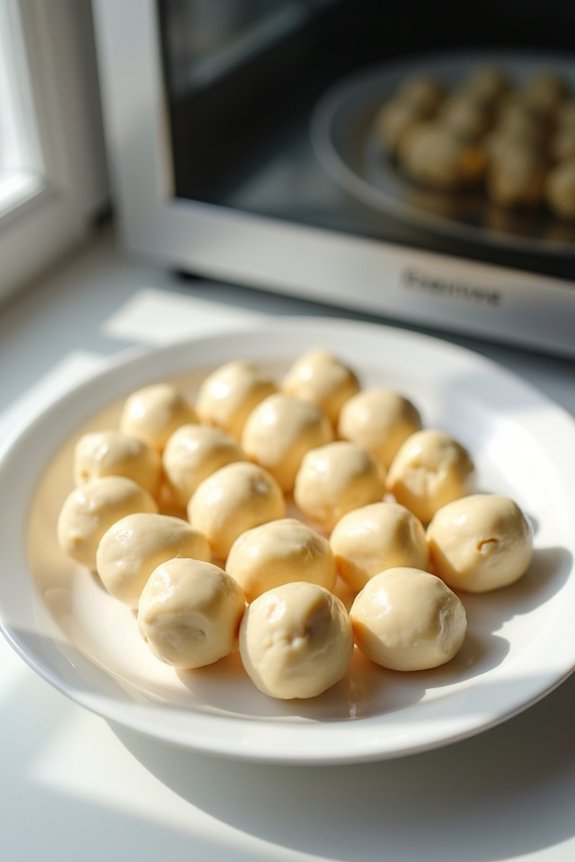
Absolutely—you can microwave store-bought cookie dough, and it’s one of the easiest shortcuts for a quick dessert. I’ll walk you through what makes this method so convenient for our community of busy bakers.
You can microwave store-bought cookie dough for an easy shortcut—perfect for busy bakers craving quick desserts.
Here’s what you need to know:
- Check the package for microwave instructions and safety warnings first
- Use microwave-safe dishes and shape dough into uniform portions
- Microwave for 20–60 seconds per cookie, checking frequently
- Allow a brief rest period after microwaving so cookies finish setting
Always verify that store-bought dough is labeled safe for microwaving, especially if it contains raw eggs. Some products require refrigeration or partial baking beforehand. Follow your specific product’s preparation instructions closely. Uniform sizing ensures even cooking throughout your batch. You’ll nail perfectly microwaved cookies every time.
Microwave Cookie Dough: Frequently Asked Questions
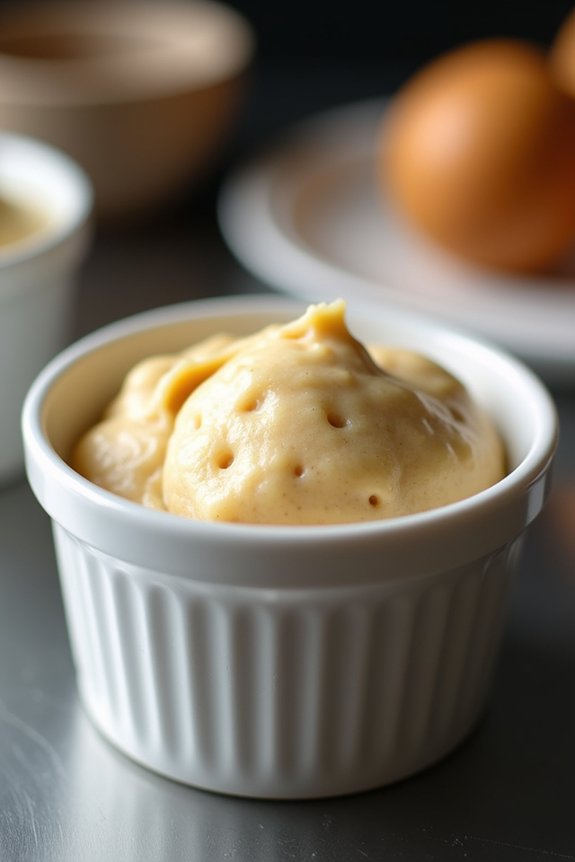
What’s the deal with microwaved cookies feeling different from oven-baked ones? Microwaves heat cookie dough unevenly, creating gooey centers but sometimes softer or rubbery textures. I start with short bursts of 20–40 seconds, then check my results. Larger scoops need adjustments in 10–20 second increments. Edible dough safety matters—I only use pre-made dough labeled microwave-safe in microwave-safe dishes. After cooking, I let cookies rest briefly so heat distributes evenly and texture improves. For the best outcome, I combine methods: microwave the dough in short bursts, then finish baking in the oven when possible. This hybrid approach gives me better flavor and texture outcomes than microwaving alone.