Espresso beans and regular coffee beans come from the same two plant species—Arabica and Robusta—so there’s actually no difference in the bean itself. What changes is how roasters prepare them. Espresso beans get darker roasts and finer grinds to work with high-pressure brewing. The “espresso beans” label is mostly marketing. You can brew espresso with any bean if you adjust your roast level and grind size correctly. There’s more to discover about why roasters make these choices.
Does Bean Type Matter? No: But Marketing Says Otherwise
there’s no such thing as an actual espresso bean. Coffee companies use marketing branding to make you think otherwise, but I’m here to tell you the truth. Regular coffee beans and espresso beans come from the same plant. What changes is how roasters prepare them. Espresso beans typically get roasted darker, which gives them that bold flavor you expect. However, roast level alone doesn’t make a bean “espresso.” The real difference comes down to the blend and how you brew it. When you see “espresso beans” on packaging, you’re really looking at a marketing signal. It tells you the roaster designed that blend specifically for espresso machines. The bean itself? Completely identical to what’s in your regular coffee bag.
All Coffee Beans Come From the Same Two Plants
All the coffee you drink—whether you’re making espresso or drip coffee—comes from just two plant species: Arabica and Robusta. I know that might seem surprising given how many different “espresso beans” you see at the store, but those labels are really just marketing tricks based on how the beans get roasted and blended, not what plant they came from. Understanding this one fact changes everything about how you think of espresso beans versus regular coffee beans.
Two Species of Coffee Plants
Where do all those coffee beans come from? I’ll tell you: every single coffee bean comes from just two species of plants. The first is Arabica, which produces about 60% of the world’s coffee. The second is Robusta, a hardier plant that grows in different conditions. Both species produce seeds inside coffee cherries. These seeds get processed and roasted to become the beans you brew. Think of it this way: Arabica and Robusta are like the only two types of apples in existence. Everything else—whether it’s labeled “espresso” or “regular” coffee—comes from one of these two species. The roasting process and blending choices determine what you’re drinking, not which plant the bean came from.
Origins of All Beans
Since every coffee bean on Earth comes from just two plant species, you might wonder why some bags say “espresso beans” and others don’t. Here’s the thing: all coffee originates from either Arabica or Robusta plants. That’s it. Whether your beans come from Ethiopia, Brazil, or Colombia, they’re grown from one of these two species. The origin—the country or region where the beans grew—determines flavor notes and characteristics. But origin doesn’t determine if beans become espresso or drip coffee. That decision happens later, during roasting and blending. A single-origin Ethiopian Arabica can become espresso. So can a Robusta from Vietnam. The beans themselves aren’t different. Only how we prepare them changes.
Roast Level: The Real Difference Between “Espresso” and “Regular”
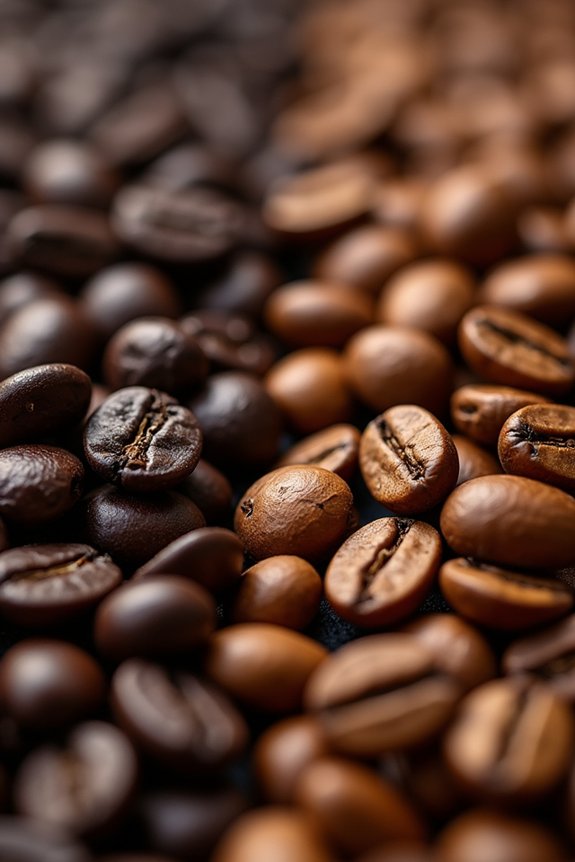
When you’re deciding between espresso beans and regular coffee beans at the store, you’re really looking at different roast levels rather than different plants. Espresso roasts go darker—think medium-dark to dark—to develop oils and create that bold, full-bodied flavor you expect. Regular coffee roasts aim for versatility across brewing methods, so they’re typically lighter. The roast level matters because it shapes how the beans extract under pressure. You’ll also notice the grind size differs. Espresso requires a finer, more consistent grind to maximize pressure-driven extraction, while regular coffee uses broader, coarser grinds. So when you’re shopping, you’re really choosing a roast level and intended brewing method, not fundamentally different beans.
Why Roasters Created the “Espresso Beans” Marketing Term
How’d the term “espresso beans” actually come about? Roasters created this marketing term to signal a specific product designed for espresso brewing. They weren’t describing a different bean variety—they were marketing a roasting approach.
- Darker roasts hold up better under espresso’s high-pressure extraction, so roasters paired the term with these roasts to set expectations
- Premium packaging often features “espresso beans” labeling on chocolate-covered or sophisticated-looking products to convey quality and trendiness
- Consumer psychology drives the strategy since espresso culture carries cultural cachet that plain “coffee beans” doesn’t
- Consistency messaging promises reliability for espresso-based drinks, assuring buyers the beans suit their brewing method
The marketing term stuck because it communicates intensity and suitability instantly. You’re not buying something fundamentally different—you’re buying beans roasted and marketed for your specific brewing preference.
How Different Brewing Methods Change Roasting Decisions
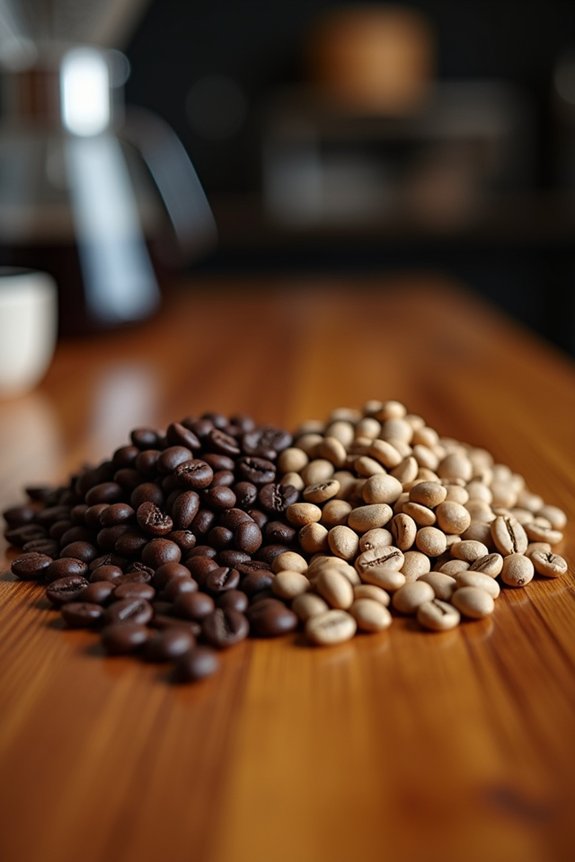
Now that you understand why roasters market beans specifically for espresso, it’s worth knowing that different brewing methods actually shape how roasters approach their craft in the first place. Your brewing method determines the roast level and grind size that’ll work best. Espresso demands a fine grind and darker roast to survive high-pressure extraction and create crema. Pour-over and drip coffee prefer medium to medium-fine grinds with lighter roasts that showcase versatility across brewing styles. French press and cold brew also benefit from roasts designed for their specific methods. Here’s the practical takeaway: choosing beans matched to your brewing method gives you better results than forcing any roast into any machine. The right combination of roast level and grind size makes all the difference in your cup.
What Makes an Espresso Blend Work Under Pressure?
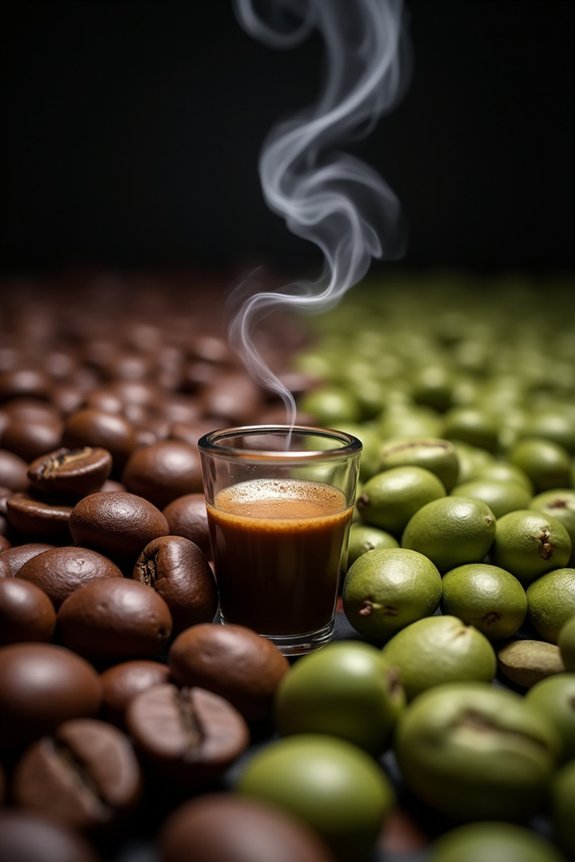
I craft espresso blends by combining beans from different regions—Latin American beans bring chocolate and nutty notes while African beans add bright citrus and berry flavors—so that when water forces through the grounds under high pressure, all those tastes work together instead of fighting each other. You need darker roasts to give the shot that smooth, velvety body that stands up to the intense brewing conditions, but I keep just enough acidity in the blend to make sure the flavors stay lively and don’t get flattened by all that pressure. This balance of body, acidity, and regional characteristics is what separates an espresso blend that tastes great from one that tastes muddy or one-dimensional.
Balancing Body And Acidity
What separates a great espresso from a flat, one-dimensional shot? The answer lies in balancing body and acidity—two forces that work together under pressure.
When you pull an espresso shot, you’re extracting oils and dissolved solids that create body: that creamy, syrupy feeling on your tongue. But body alone tastes heavy and dull. You need acidity to cut through and add brightness.
Here’s how to achieve this balance:
- Choose darker roasts for fuller body and oils
- Add African beans for citrus notes that prevent flatness
- Include Latin American components for chocolate sweetness
- Blend regional origins to harmonize all flavors
The trick? Darker roasts provide the velvety mouthfeel while a touch of acidity keeps your espresso lively. Neither should overpower the other. That’s what separates mediocre from memorable.
Regional Bean Selection Strategy
Building a great espresso blend means choosing beans from different regions on purpose. I select beans from Latin America, Africa, and Asia to create flavor balance that works under high-pressure extraction.
Latin American beans bring chocolate and nut notes that keep the shot smooth. African origins add citrus and berry brightness, cutting through any heaviness. Asian beans contribute earthy and spicy tones that deepen complexity.
When I combine these regional origins strategically, I’m building espresso blends that deliver a sweet, bold, syrupy shot. The pressure forces oils and flavors together, so I need each region’s contribution to harmonize perfectly. This layered approach transforms individual beans into something cohesive—a shot that stands on its own or cuts through milk beautifully.
Balancing Body, Acidity, and Sweetness in the Cup
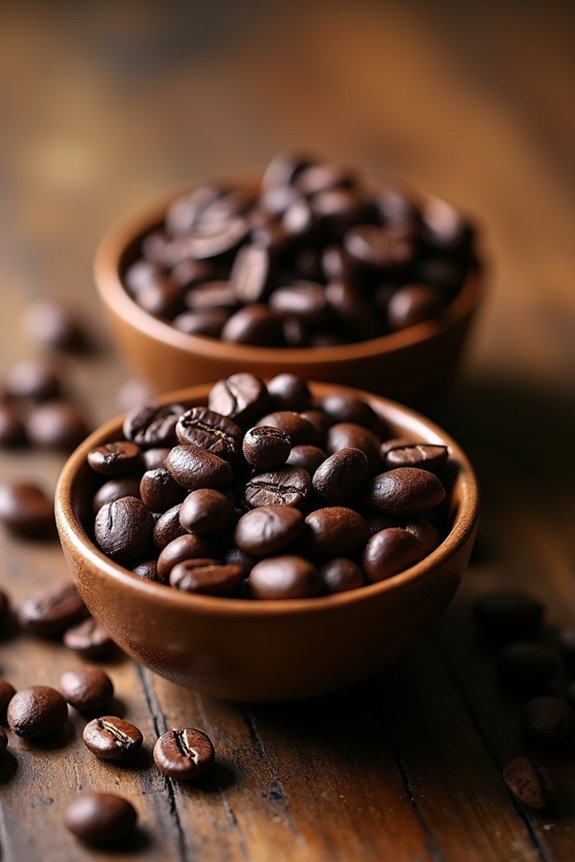
Why does one espresso shot feel creamy and smooth while another tastes bright and zesty? The answer lies in balancing three key elements: body, acidity, and sweetness. When you pull espresso under high pressure, these components interact to create your cup’s personality.
I’ve found that understanding this balance transforms how you select espresso beans:
- Body – Latin American beans deliver creamy, chocolatey texture
- Acidity – African beans bring citrus and berry brightness
- Sweetness – Natural sugars from roasting offset bitterness in concentrated shots
- Harmony – Asian beans add earthy spice to round out flavors
A well-balanced espresso tastes expressive solo or with milk. You’re not chasing one dominant note. Instead, you’re blending them into a velvety mouthfeel with caramel-like finish. That’s what separates good shots from exceptional ones.
Spotting Flavor Profiles on a Coffee Bag
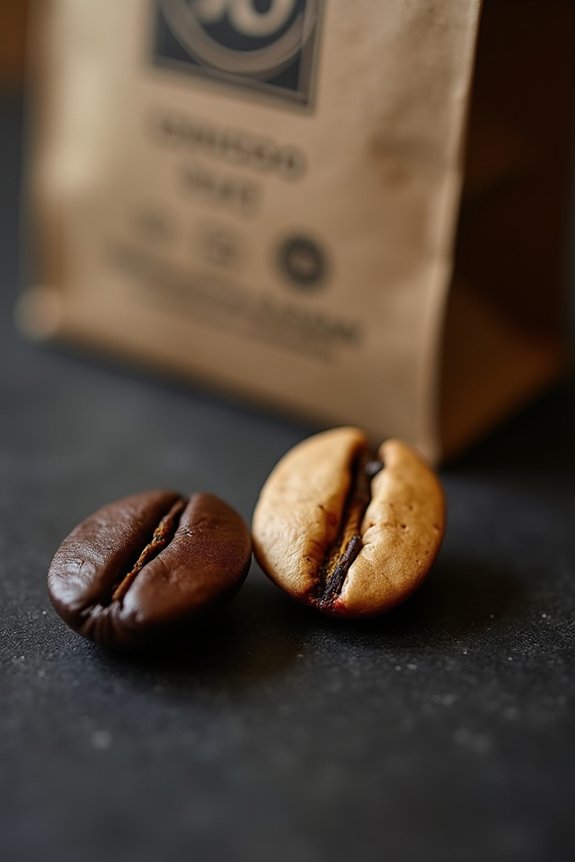
When you pick up a coffee bag, you’ll spot clues about flavor right on the label—the origin like “Ethiopia” or “Colombia” tells you what regional tastes to expect, while the roast level shown (light, medium, dark) signals whether you’re getting bright, origin-focused flavors or deeper, chocolatey notes. The tasting notes listed, such as “chocolate,” “citrus,” or “berry,” combined with processing methods like “washed” or “natural,” paint a picture of what you’ll actually taste in your cup. Reading these three elements together gives you the real flavor story before you even brew.
Reading Origin And Region
Ever wondered why a bag labeled “Ethiopian” tastes totally different from one that says “Brazilian”? The origin and region printed on your coffee bag tells you exactly where those beans grew. That matters because soil, altitude, and climate shape how your espresso tastes.
Here’s what you’ll discover when reading the label:
- Origin country – Ethiopian beans bring citrus and berry notes; Brazilian beans offer chocolate and nuts
- Specific region – A bean from one Ethiopian highland tastes different than another area’s crop
- Roast level – Darker roasts mask regional flavors; lighter roasts highlight them
- Processing method – How farmers dried the beans affects sweetness and body
Start checking these details on every bag you buy. You’ll quickly spot which regions match your espresso preferences and build your own flavor knowledge.
Identifying Roast Level Indicators
Dark roasts deliver lower acidity and chocolate or burnt notes. Light roasts highlight origin flavors with brighter, fruitier profiles. These roast level differences affect your cup’s body and sweetness.
I also read the flavor notes listed. Words like “chocolate” or “citrus” tell me what to expect. Dark roasts often get marketed for espresso because they produce thick crema. However, you can use any roast for espresso or drip brewing. The roast level’s your guide to predicting what you’ll actually taste.
Decoding Tasting Notes Listed
How do you know what a coffee actually tastes like before you buy it? Tasting notes on your bag tell you what you’re getting. They’re clues about flavor, not guarantees.
- Check the origin—Ethiopia suggests citrus and berry, while Latin American espresso beans deliver chocolate and nuts
- Look at processing type—natural coffees taste fruitier, washed ones cleaner
- Read roast flavor profiles—they shape how sweetness and acidity balance
- Match notes to your brew method—espresso concentrates regional flavors differently than drip
The region listed (Sumatra, Costa Rica, Kenya) guides your expectations. Roast level and grind size change what you actually taste. Blended espresso beans aim for harmony across body, acidity, and sweetness under pressure. Single-origin options emphasize concentrated regional character. You’re not buying blind—you’re reading the map to flavor.
Can You Brew Espresso With Regular Coffee Beans?
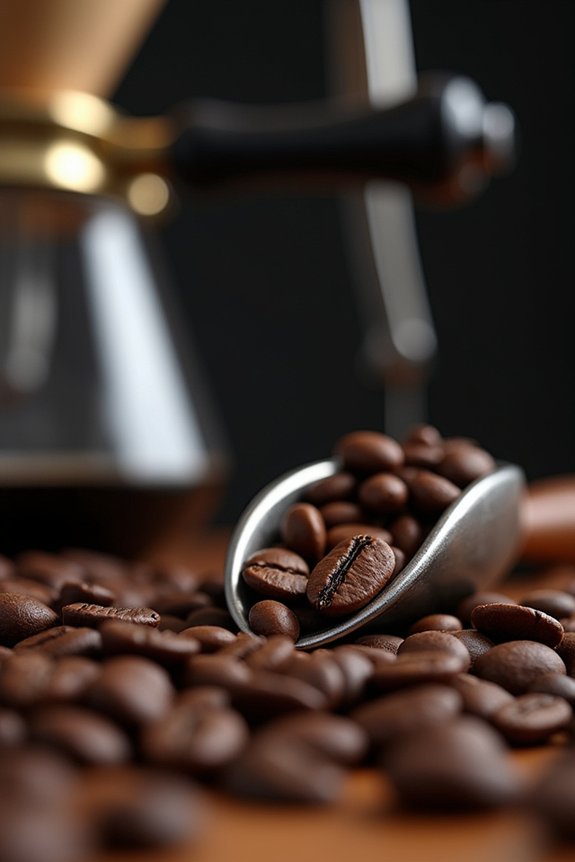
Simply put, yes—you can absolutely brew espresso with regular coffee beans. The distinction isn’t about bean type—it’s about roast level, grind size, and how you prepare it.
You can brew espresso with regular coffee beans—it’s about roast level, grind size, and preparation method, not the bean type itself.
Regular coffee beans work fine for espresso if you adjust your approach. You’ll want to use a finer grind size than you would for drip coffee, since espresso machines force hot water through grounds under high pressure. This requires smaller particles to extract properly.
Your roast level matters too. Darker roasts typically produce bolder, full-bodied shots that work well for espresso. Lighter roasts can work, though they’ll taste different—brighter and more acidic.
Any Arabica or Robusta bean becomes “espresso beans” when you grind it appropriately and use an espresso machine. It’s the method, not the bean itself, that defines espresso.
Grind Size Matters as Much as Roast Level
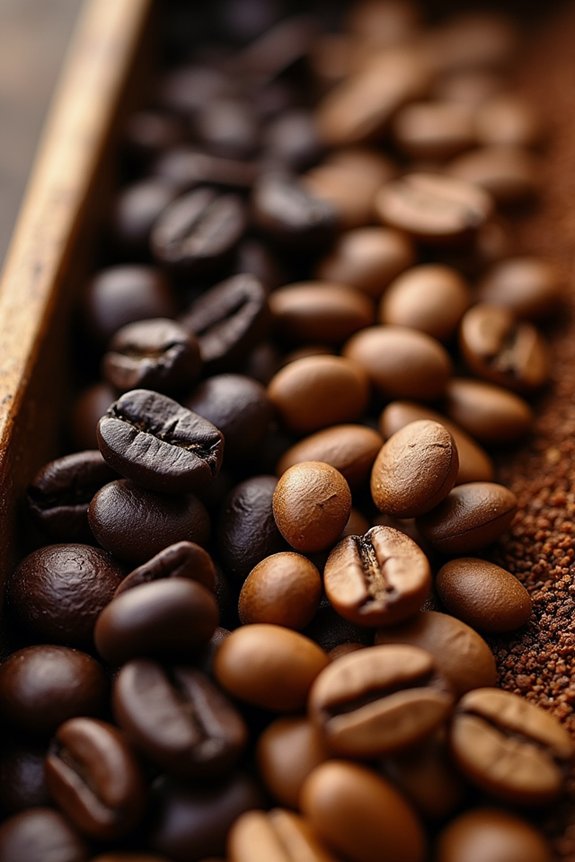
Now that you know regular beans work for espresso, let’s talk about what actually makes the difference between a great shot and a disappointing one—and it’s not just the roast.
Here’s what I’ve learned about grind size and espresso extraction:
- Fine grind maximizes surface area for high-pressure water to extract flavors properly
- Too coarse means under-extraction—you’ll get weak crema and sour, thin tastes
- Too fine causes over-extraction—bitterness takes over your shot
- Grind matters more than you’d think because it directly controls extraction time and flavor balance
Your roast level sets the foundation, but grind size is your real control lever. We’re talking medium-fine to fine consistency here. Same bean, different grind? You’ll taste completely different results. That’s the espresso game.
The Third-Wave Shift: Why Light Roasts Changed Everything
What if everything you thought about espresso roasts was actually just tradition, not necessity? The third-wave coffee movement challenged that exact assumption. I watched roasters ditch the dark, bold profile that dominated espresso for decades. Instead, they started using light roasts to highlight where beans actually came from.
Here’s the thing: light roast espresso preserves origin characteristics and brightness that darker beans lose. The shift wasn’t just about taste preferences. It forced us to rethink what espresso could be. Roasters began celebrating single-origin profiles and transparent sourcing instead of using a uniform “espresso roast” for everything.
This movement opened doors. You’re now part of a community that values nuance over convention. Light roasts in espresso aren’t radical anymore—they’re the new standard for those seeking authenticity.
What “Espresso Blend” Actually Means When You’re Shopping
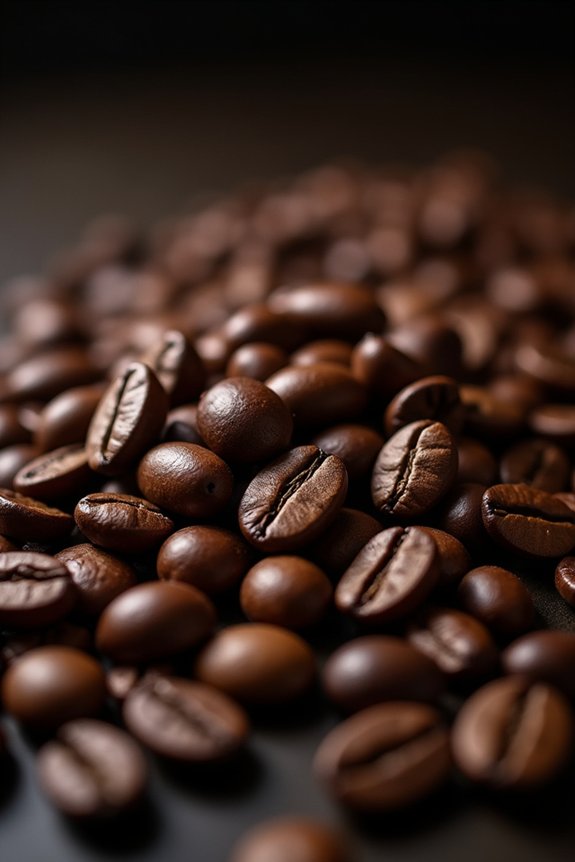
When you’re standing in front of a bag labeled “espresso blend,” you’re looking at a deliberate mix of beans from different regions—not a single-origin coffee. This isn’t a special bean type. It’s a strategic combination designed for espresso brewing under high pressure.
Why blends matter:
- Balance body and acidity – Roasted beans from Latin America add chocolatey, nutty notes while African beans contribute citrus brightness
- Ensure consistency – You get the same flavor shot to shot, which matters for cafés and home brewers
- Enhance crema – Darker roasts create that velvety layer espresso machines produce
- Simplify shopping – The label tells you exactly what the roaster intended these beans for
Understanding blends helps you choose coffee that actually matches your brewing method, not marketing hype.