No, they’re not the same. Unsweetened chocolate is 100% pure cocoa with zero added sugar, while bittersweet contains 60–85% cacao plus sugar. This difference matters because unsweetened tastes intensely bitter and turns dry and crumbly when baked, whereas bittersweet melts smoothly and creates a moister, tender crumb. You can swap them, but you’ll need to adjust your recipe’s sugar content to get the flavor and texture you’re after.
The Quick Answer: They’re Not the Same
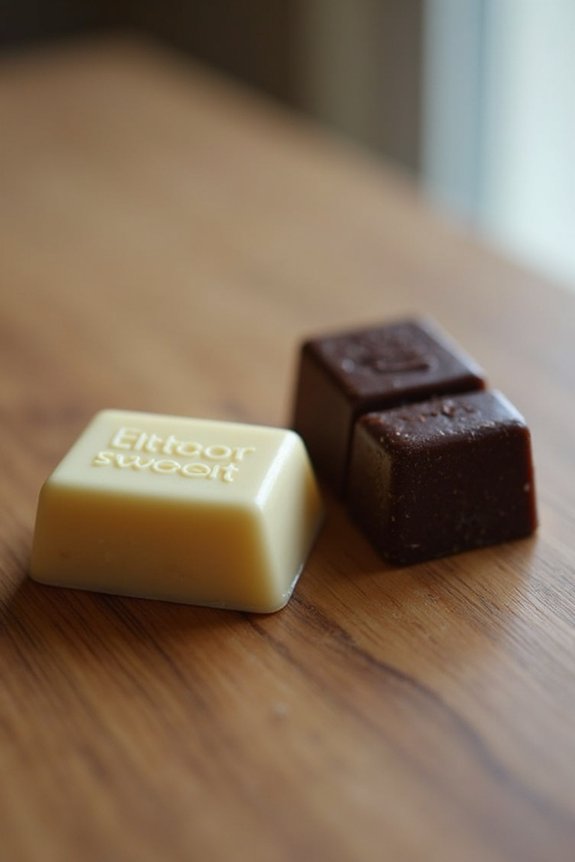
So, are bittersweet chocolate and unsweetened baking chocolate the same thing? Nope. They’re distinctly different, and here’s why it matters for your baking.
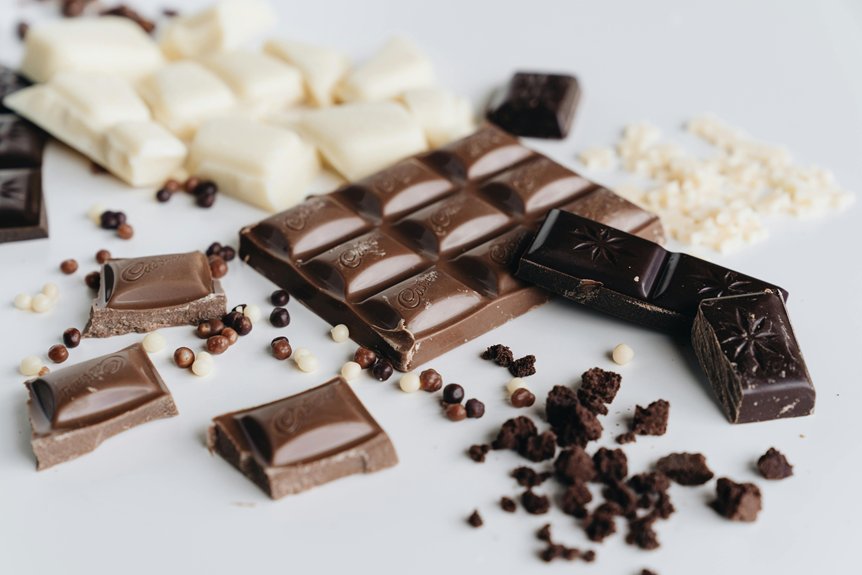
Unsweetened chocolate is pure cocoa solids with zero added sugar, delivering an intensely bitter taste. Bittersweet chocolate, meanwhile, contains 60–85% cacao plus sugar, offering a richer chocolate flavor with actual sweetness. The sugar content creates different melt behavior and texture in your finished baked goods.
You can’t use them interchangeably on a 1:1 basis. However, you can substitute bittersweet for unsweetened if you adjust your recipe. Use about 1 ounce of bittersweet per 1 ounce of unsweetened, then reduce added sugar elsewhere. This maintains your desired cacao percentage while managing overall sweetness. Understanding these differences helps you nail consistent results every time you bake.
What Unsweetened Chocolate Actually Is
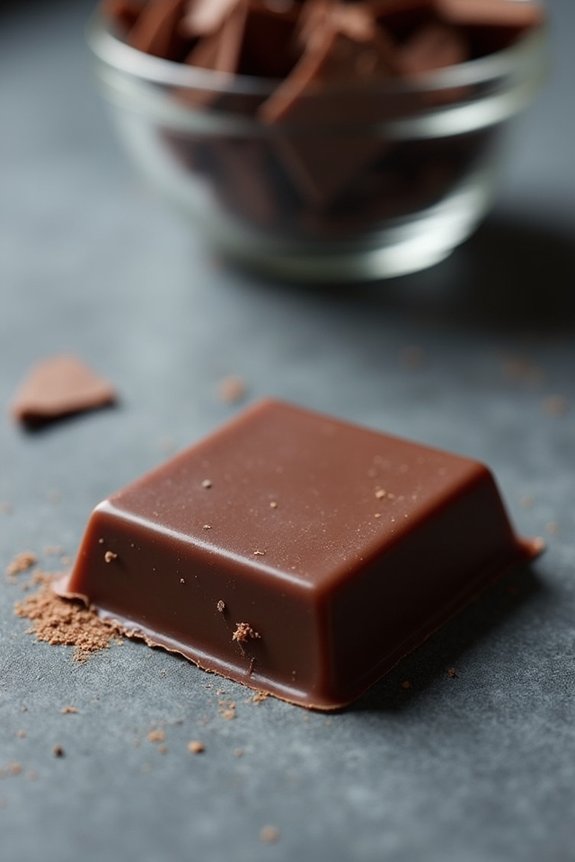
Now that you know bittersweet and unsweetened chocolate aren’t interchangeable, let’s look at what unsweetened chocolate actually is. Unsweetened chocolate, also called baking chocolate, is pure chocolate made from cocoa solids and cocoa butter. That’s it—no added sugar. You’ll find it labeled 100% cacao on packages. Its bitter, intense flavor comes entirely from the chocolate itself. The texture is dry and crumbly since there’s no sugar or milk to soften it. This pure composition gives you total control over your chocolate flavor and sugar content during chocolate baking. Bakers love this because you decide exactly how sweet your treats become. Store your baking chocolate in a cool, dry place for one to two years. It’s an essential ingredient when you want genuine chocolate taste without hidden sweetness.
What Bittersweet Chocolate Actually Is
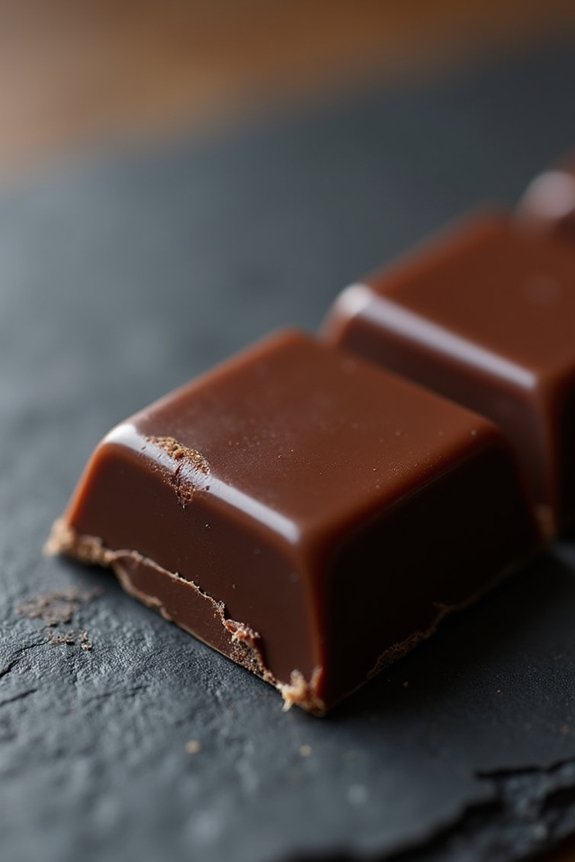
Ever wonder why bittersweet chocolate tastes so different from unsweetened baking chocolate? Bittersweet chocolate is a dark chocolate that contains 60–85% cacao content, making it richer than you’d expect. What sets it apart? Sugar. This added sugar moderates the bitterness and creates that smoother, creamier melt you’ll notice when you use it in recipes.
The cocoa solids and chocolate liquor in bittersweet give it a robust cacao taste without being harsh. You’re getting genuine chocolate flavor with milder sweetness and a darker appearance. Unlike unsweetened baking chocolate, which can feel dry or crumbly, bittersweet melts beautifully. When you need a substitution, swap one ounce of bittersweet for one ounce of unsweetened baking chocolate, then reduce the recipe’s sugar by about one ounce.
Here’s What Actually Sets Them Apart
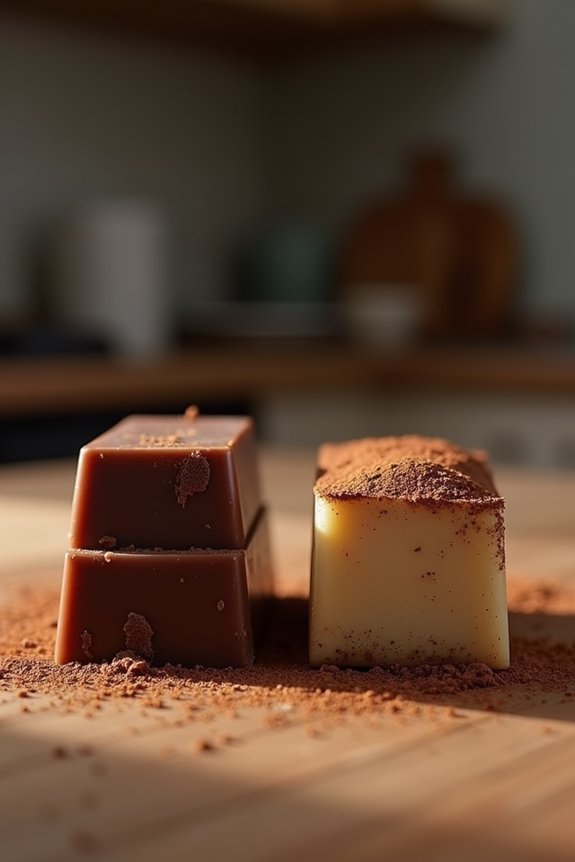
The main difference comes down to one simple ingredient: sugar. I’ll break down what separates these two baking staples so you can pick the right one for your recipes.
- Cacao content and sugar: Unsweetened baking chocolate is 100% cacao with zero added sugar, while bittersweet chocolate contains 60-85% cacao plus sugar mixed in.
- Chocolate flavor profile: Unsweetened tastes intensely bitter and sharp, whereas bittersweet offers a richer chocolate taste with mild sweetness that’s more enjoyable straight up.
- Practical baking uses: Unsweetened lets you control sweetness precisely in recipes, but bittersweet works better for coatings because it melts smoothly and tastes less harsh.
For chocolate substitutions, replace one ounce of unsweetened with about 1.5 ounces of bittersweet, then adjust your recipe’s sugar accordingly.
How They Behave When You Bake With Them
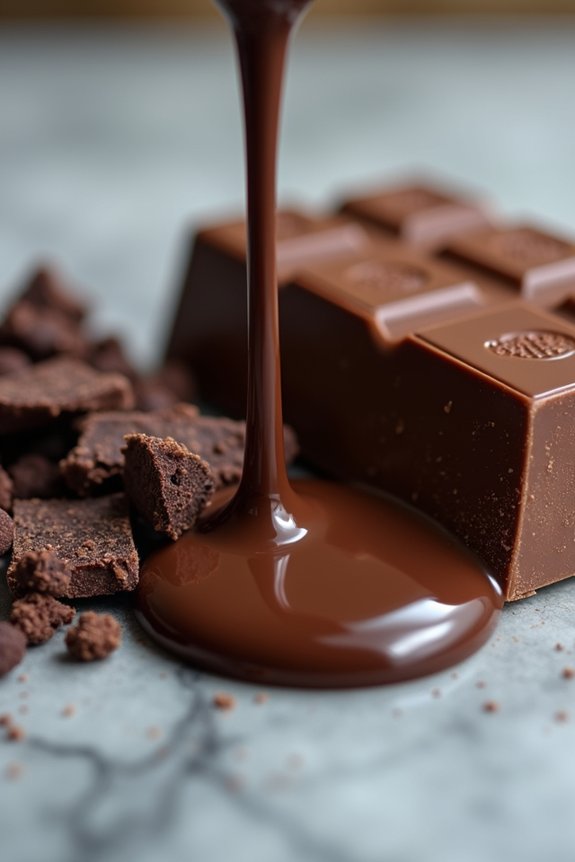
When you’re mixing these chocolates into your batter, you’ll notice they behave quite differently—unsweetened chocolate tends to seize up and turn grainy if it gets too hot, while bittersweet melts into a smooth, creamy consistency that’s way easier to work with. The texture of your finished baked goods changes too, since bittersweet’s sugar content and better flow create a more tender crumb, whereas unsweetened can leave your cookies or cakes feeling a bit drier. That moisture difference matters for how your treats turn out, so picking the right one actually shapes whether you end up with something that’s dense and crumbly or soft and uniform throughout.
Melting Consistency And Flow
Most bakers find that unsweetened and bittersweet chocolates behave quite differently when you heat them up, and that’s because of what’s actually in them. Unsweetened baking chocolate melts slower and can turn grainy or seize if it gets too hot. Bittersweet chocolate flows much more smoothly thanks to its added sugar, which lowers viscosity and helps everything pour evenly.
Here’s what you’ll notice:
- Unsweetened melts thicker – It creates a drier consistency that’s harder to work with for coatings or ganache
- Bittersweet pours cleaner – The sugar content lets it spread and coat more easily without clumping
- Heat matters differently – Unsweetened needs gentler temperatures to avoid seizing; bittersweet handles warmth better
When substituting one for the other, adjust your sugar accordingly to maintain the right melt behavior and final texture.
Texture Changes During Baking
Two very different things happen when you bake with unsweetened versus bittersweet chocolate, and understanding these differences can make or break your final product.
When you bake with unsweetened chocolate, its high cocoa solids create a denser crumb and drier texture in your finished goods. The chocolate doesn’t melt as smoothly, and it can seize if temperatures spike. Bittersweet chocolate, though, produces a smoother, more moist crumb because its added sugar helps everything blend together better during baking.
| Chocolate Type | Crumb Texture | Melting Behavior |
|---|---|---|
| Unsweetened | Dense, dry | Prone to seizing |
| Bittersweet | Smooth, moist | Melts evenly |
You’ll notice bittersweet chocolate creates that satisfying, tender bite we all crave. Unsweetened demands extra attention and recipe adjustments to achieve similar results.
Moisture And Crumb Impact
Beyond how these chocolates melt, they’ll actually change what happens inside your baked goods. The sugar content and cacao percentage in each type directly affect your final crumb structure and moisture levels.
Here’s what I’ve found works:
- Unsweetened chocolate creates a drier crumb because it lacks sugar to retain moisture, and its tendency to seize changes how ingredients combine
- Bittersweet chocolate produces a moister, more tender crumb thanks to its sugar content and smooth melt texture that distributes evenly
- Your substitution ratio matters—using the wrong chocolate without adjusting sugar throws off moisture balance and makes your baked goods either too dry or too dense
When you use bittersweet instead of unsweetened baking chocolate, you’re adding sugar that affects how moisture gets absorbed throughout your treat. That’s why the substitution ratio exists. Get this right, and your crumb stays perfect every time.
Can You Substitute One for the Other?
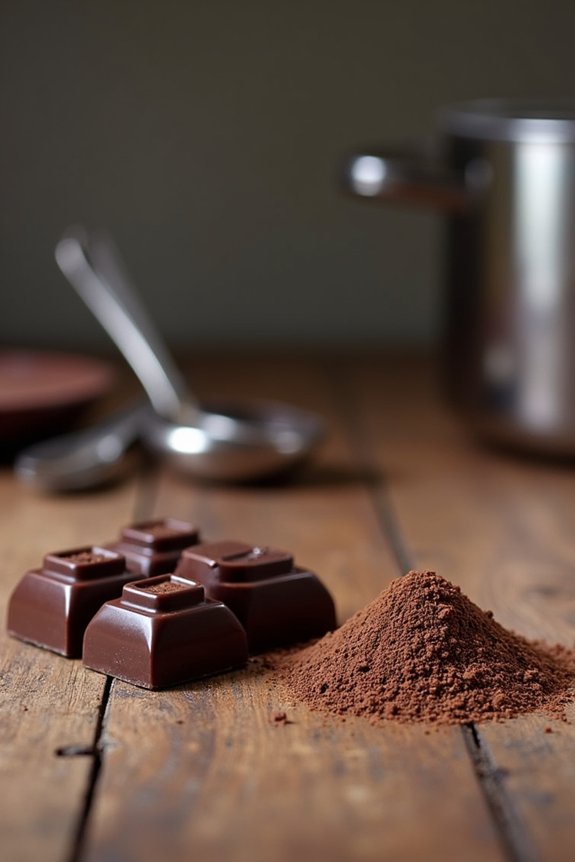
While these two chocolates aren’t identical, you can swap one for the other if you’re willing to adjust your recipe. The main difference comes down to sugar content and cacao percentage. Bittersweet chocolate contains 60–85% cocoa solids with added sugar, while unsweetened baking chocolate is pure 100% cacao with zero sugar.
When substituting bittersweet for unsweetened, reduce the sugar in your recipe by about 1 ounce per 1 ounce of bittersweet you use. This maintains your sweetness balance. Going the opposite direction? Add roughly 2 teaspoons of sugar per ounce of bittersweet you’re replacing.
Keep in mind that unsweetened chocolate is extremely bitter and dry. Bittersweet offers a richer flavor with mild sweetness. For coatings and very sweet centers, bittersweet works better. Unsweetened can feel too intense for these applications. Proper recipe adaptation makes either option work.
How to Adjust Recipes When Swapping Them
So you’ve got a recipe calling for unsweetened chocolate, but you’ve only got bittersweet in your pantry—or vice versa. Don’t worry. I’ll show you how to make it work.
When swapping bittersweet for unsweetened chocolate, here’s what you need to know:
- Use 1 1/2 ounces of bittersweet per 1 ounce of unsweetened to keep the cacao content balanced while reducing sugar
- Going the other direction? Use 2/3 ounce unsweetened plus 2 teaspoons sugar per 1 ounce of bittersweet to match sweetness levels
- Expect texture and flavor shifts—bittersweet melts smoother with creamier results, while unsweetened delivers a grittier bite and stronger chocolate punch
These adjustments let you nail your recipe’s texture and flavor profile, even when your baking chocolate doesn’t match perfectly.
Choosing the Right Chocolate Before You Shop
Why does selecting the right chocolate matter before you even get to the store? You’ll save time and money by knowing what you need. Understanding the difference between bittersweet chocolate and unsweetened baking chocolate helps you grab the correct item. Bittersweet chocolate contains 60–85% cacao content with added sugar, making it ideal for coating and candy applications. Unsweetened baking chocolate is 100% chocolate liquor with zero sugar content, giving you complete control over sweetness in recipes.
Check your recipe first. If it calls for chocolate sweets or coatings, bittersweet’s smoother melting and balanced chocolate flavor work best. Need to control sugar levels? Unsweetened baking chocolate and its cocoa solids are your answer. Knowing your substitution ratio beforehand prevents shopping confusion and ensures you purchase exactly what your recipe demands.
The Best Chocolate for Coating Candies and Sweets
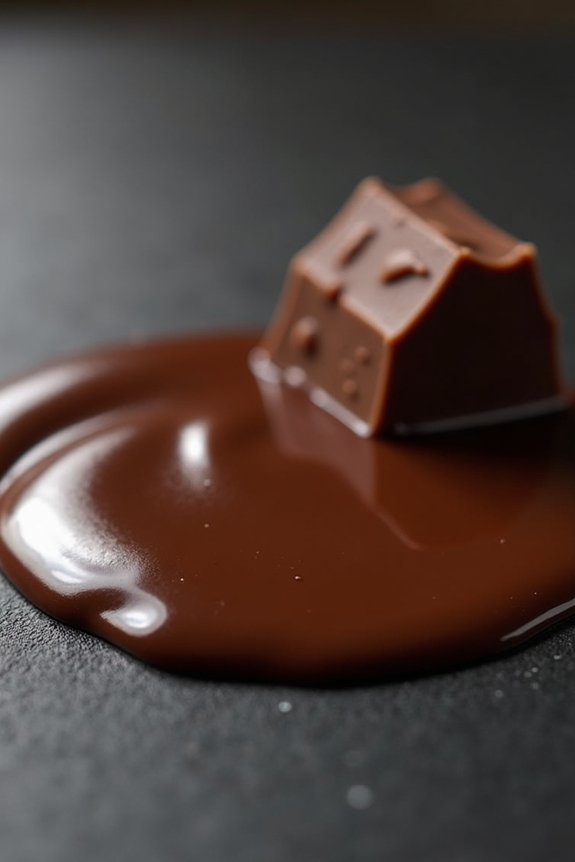
When you’re ready to dip your homemade truffles or candy centers, bittersweet chocolate is your best bet. Here’s why we chocolate makers prefer it over unsweetened baking chocolate for coating candies:
- Smooth melting: Bittersweet melts evenly without seizing or feeling dry, giving you that glossy chocolate finish you want.
- Better sugar balance: Its 60–85% cacao percentage already contains sweetness, so you’ll reduce added sugar by about 1 ounce per ounce used.
- Rich appearance: You’ll get a deep, luxurious dark chocolate coating with appealing sheen instead of the near-black, matte look unsweetened produces.
Bittersweet’s lower cacao intensity makes it an ideal chocolate substitute for candy coatings. The result? Professional-looking treats with balanced flavor and flawless appearance every time.