
Most fortune cookies aren’t safe for gluten-free diets because they’re traditionally made with wheat flour. Even “certified gluten-free” versions can be risky if they’re made in shared facilities where wheat products are also processed—gluten dust and residue linger on equipment. You’ll want to check labels for rice flour, tapioca starch, or xanthan gum instead of wheat. Store-bought cookies need allergen warnings verified, while homemade batches at 350°F give you control. The real safety details depend on where your cookies come from.
Where Hidden Gluten Hides in Fortune Cookies
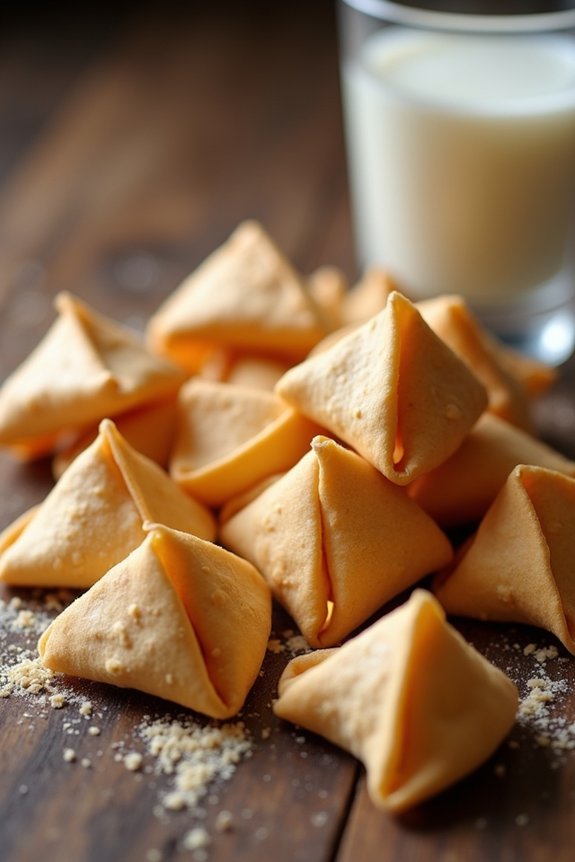
Ever wondered what’s actually inside that crispy cookie at the end of your meal? Hidden gluten lurks in fortune cookies more often than you’d think. The batter itself can contain regular wheat flour, which obviously has gluten. But here’s the tricky part: even when brands use cornstarch, some versions aren’t certified gluten-free. They might contain wheat-derived starch blends instead of pure cornstarch. That’s where things get sneaky. Cross-contamination poses another real threat. Facilities that produce gluten-free fortune cookies often share equipment with wheat-processing lines. Even trace amounts matter when you’re managing celiac disease or gluten sensitivity. Some manufacturers use rice flour, tapioca starch, or potato starch with xanthan gum to create that signature crunch. However, consistency varies wildly between brands and batches.
Why Most Fortune Cookies Contain Gluten
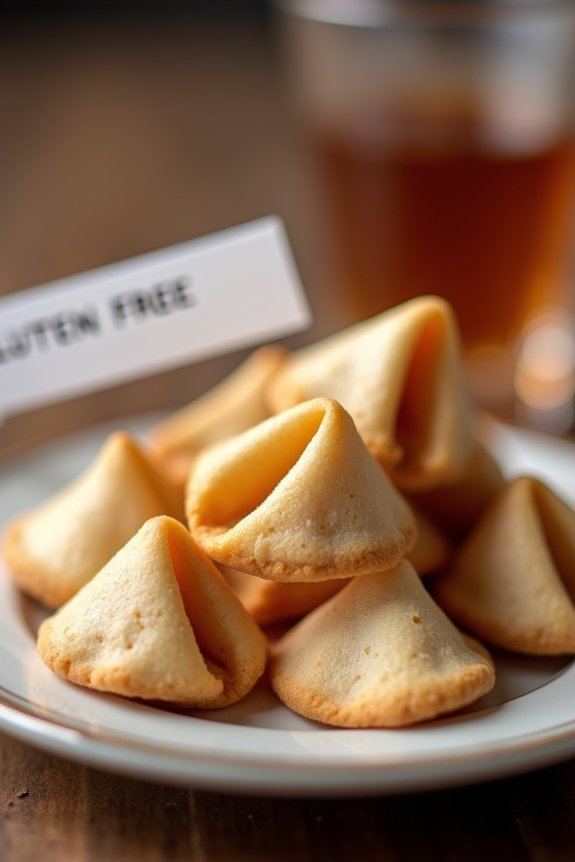
The simple reason fortune cookies aren’t gluten-free comes down to tradition and cost. Manufacturers stick with regular wheat flour because it’s cheap and works well. Here’s what makes most fortune cookies problematic for you:
- Regular wheat flour contains gluten proteins that trigger digestive issues
- Batter requires gluten for proper structure and crispiness when baked at 350°F
- Switching to gluten-free flour costs more money per batch
- Traditional recipes haven’t changed in decades, even as dietary needs evolved
- Mass production favors standard ingredients over specialty alternatives
When you’re navigating takeout menus or supermarket shelves, those complimentary cookies almost certainly contain gluten. Manufacturers prioritize affordability and consistency over accommodating gluten-free diets. You’ll need to actively seek out certified gluten-free brands or ask restaurants specifically about their ingredients and preparation methods.
What “Certified Gluten-Free” Really Means
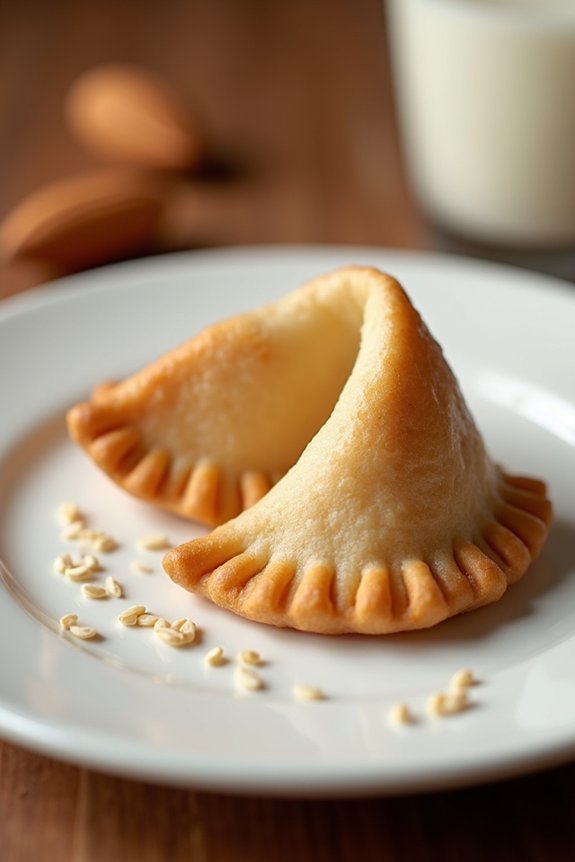
When you see “Certified Gluten-Free” on a fortune cookie box, it means the product meets a strict standard of 20 parts per million or less of gluten—basically, it’s been tested and approved for people with celiac disease or gluten sensitivity. However, this certification doesn’t guarantee zero gluten because cross-contamination can still happen during manufacturing or if equipment is shared with wheat products. Your personal tolerance matters too; some people react to certified products anyway because everyone’s sensitivity level is different, so reading the full certification details and facility information goes beyond just spotting the label.
Certification Standards And Safety
If you’ve spotted a “Certified Gluten-Free” label on a fortune cookie box, you might think you’re completely safe—but that label actually tells a more nuanced story. Certification means the product contains 5 parts per million (ppm) of gluten or less, meeting strict standards. However, I want you to understand what this certification really covers—and what it doesn’t.
Here’s what certification involves:
- Annual facility audits by certifying organizations
- Regular product testing to verify gluten levels
- Gluten-free ingredient sourcing and verification
- Equipment cleaning protocols and monitoring
- Batch-to-batch testing and documentation
The certification process is rigorous, but cross-contamination can still happen. Facilities handling wheat-containing items nearby create risks. Even certified products may trigger reactions in highly sensitive individuals with celiac disease.
Cross-Contamination Risk Factors
Now that you know what certification actually means, let’s look at why those certified labels don’t guarantee complete safety. Here’s the thing: cross-contamination happens in real facilities. Many fortune cookie manufacturers share equipment with wheat-based products. They might use the same mixing bowls, conveyor belts, or packaging lines. Even thorough cleaning can’t always remove every trace of gluten.
Think of it like this. Dust particles from wheat flour linger in the air. They settle on surfaces. Workers’ hands carry residue between stations. Shared utensils transfer tiny amounts of gluten from one product to another.
That’s cross-contamination in action. A certified gluten-free label means the final product tests below 20 parts per million. But it doesn’t mean zero exposure occurred during production. Your sensitivity level matters here. Some people tolerate trace amounts fine. Others react immediately.
Individual Tolerance Variations
It doesn’t mean the same thing to everyone. A gluten-free certification says a product has 20 ppm (parts per million) or less of gluten. That’s the standard. But here’s the thing: your body might react differently than someone else’s.
Some people tolerate certified products fine. Others don’t. Your sensitivity level matters most.
Consider these factors:
- Your personal reaction history to certified foods
- How severe your celiac disease or sensitivity is
- Your body’s individual tolerance threshold
- Whether you’ve had reactions before at similar levels
- Your doctor’s specific recommendations for you
Talk to your healthcare provider about what’s safe for your body. They’ll help you figure out if certified gluten-free fortune cookies work for you specifically.
Rice Flour, Tapioca Starch, and Xanthan Gum: Building Better Gluten-Free Cookies
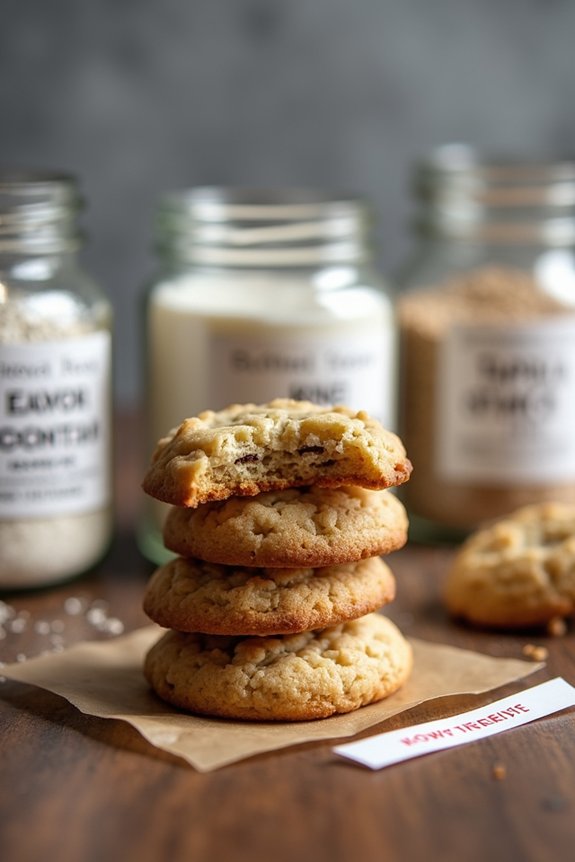
The secret ingredient-swap behind crispy fortune cookies lies in understanding how three key components work together. Rice flour and tapioca starch replace wheat flour, mimicking gluten’s elasticity so cookies hold their shape and snap when you fold them. Xanthan gum serves as your gluten-free binders—it’s the structural hero keeping batches from crumbling apart. You’ll find these ingredients work best in precise ratios because getting the balance right matters. When combined correctly, they create that characteristic brittle bite you expect. Some recipes also add ground oats or oat flour to adjust texture and crispness. The real trick? These stabilizers need each other. Miss the proportions, and you’re left with cookies that either crumble or stay too soft. That’s why checking ingredient lists matters for your gluten-free diet.
What to Check When Buying Gluten-Free Fortune Cookies
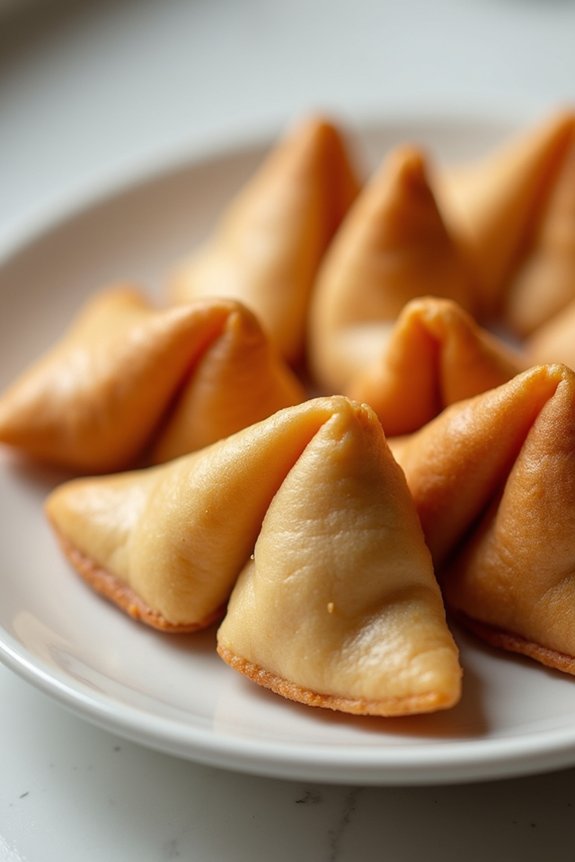
When you’re shopping for gluten-free fortune cookies, I want you to look for three key things that tell you whether a product is actually safe for your diet. First, check for official certification labels—symbols from organizations that verify gluten-free claims—and read the ingredient list carefully to confirm it uses gluten-free flour like rice flour or cornstarch instead of wheat flour. Second, I recommend you assess the cross-contamination risk by looking for statements about shared processing facilities, since even tiny amounts of gluten from shared equipment can affect someone with celiac disease or gluten sensitivity.
Certification Labels And Symbols
How do you know if a fortune cookie is actually safe for a gluten-free diet? Look for certification labels on the packaging first.
I check for these key markers:
- “Certified Gluten Free” symbol from recognized bodies like GFCO
- FDA-regulated gluten-free labels indicating tested safety standards
- Gluten threshold information showing the testing limits used
- Facility statements noting dedicated gluten-free production lines
- Cross-contamination warnings if processing happens on shared equipment
These labels tell you the cookie met strict gluten-free standards. However, certification doesn’t guarantee zero gluten exposure. Processing facilities sometimes share equipment, which creates cross-contact risks. Read the ingredient list too, even with a seal present. Check for wheat, barley, or rye. Then review processing notes about dedicated facilities. This combination gives you the clearest picture of actual safety for your diet.
Ingredient List Verification
Why does the ingredient list matter more than the label itself? Because labels can mislead you, but ingredients don’t lie. I check every single item on the package to spot gluten-free ingredients like rice flour, tapioca starch, or potato starch. These swap in for wheat flour and keep the cookie’s texture right.
I also hunt for binders like xanthan gum, which replaces gluten’s structure-building job. Then I scan the allergen section at the bottom. If it says “contains wheat” or “processed in a facility with wheat,” I skip it. Cross-contamination happens when shared equipment spreads gluten traces into your snack.
Reading both sections takes two minutes and protects your health. That’s the real power move when buying fortune cookies.
Cross-Contamination Risk Assessment
Just because a fortune cookie says “gluten-free” doesn’t mean it’s actually safe for your diet. Cross-contamination happens when gluten from other products touches your food during manufacturing. I need you to check several things before buying.
- Shared equipment or production lines that also process wheat products
- Facility certifications stating “dedicated gluten-free” versus just “gluten-free labeled”
- Manufacturing statements about cleaning procedures between batches
- Whether the same utensils, spatulas, and surfaces touch both regular and gluten-free cookies
- Allergen warnings like “may contain traces of wheat”
Contact the manufacturer directly if the packaging doesn’t clearly state they use separate facilities or lines. Ask about their cleaning protocols. For bakery cookies, request details on glove changes and surface sanitization. These steps protect you from hidden gluten exposure.
How to Bake Gluten-Free Fortune Cookies at Home
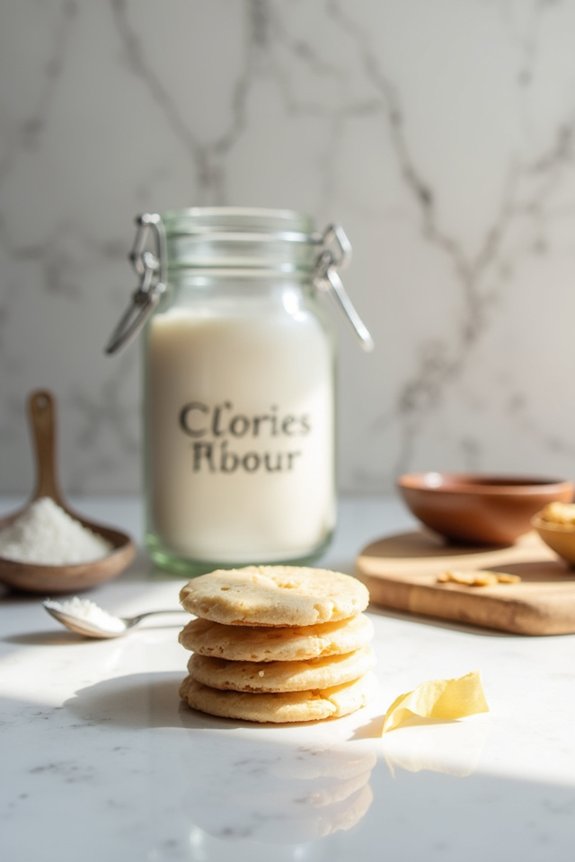
Can you actually make crispy, delicate fortune cookies in your own kitchen without gluten? Absolutely. I’ll walk you through the process.
| Step | Temperature | Action |
|---|---|---|
| Prep | Room temp | Mix egg whites, sugar, oil, water, gluten-free flour |
| Bake | 350°F | Spread batter to 3 inches, cook until edges brown |
| Shape | Immediately | Fold while pliable, set in muffin tin |
Start by combining your ingredients into a thin batter. Drop a tablespoon onto a hot griddle. Spread it out. Watch those edges carefully—when they turn golden brown, you’ve got seconds to work. Grab the warm cookie, fold it quickly, then place it in a muffin tin to cool and harden.
Here’s the gluten-free secret: use certified gluten-free ingredients exclusively. Check your cornstarch, flour blend, and xanthan gum for that label. Cross-contamination ruins everything.
Why Restaurant Fortune Cookies Often Aren’t Gluten-Free
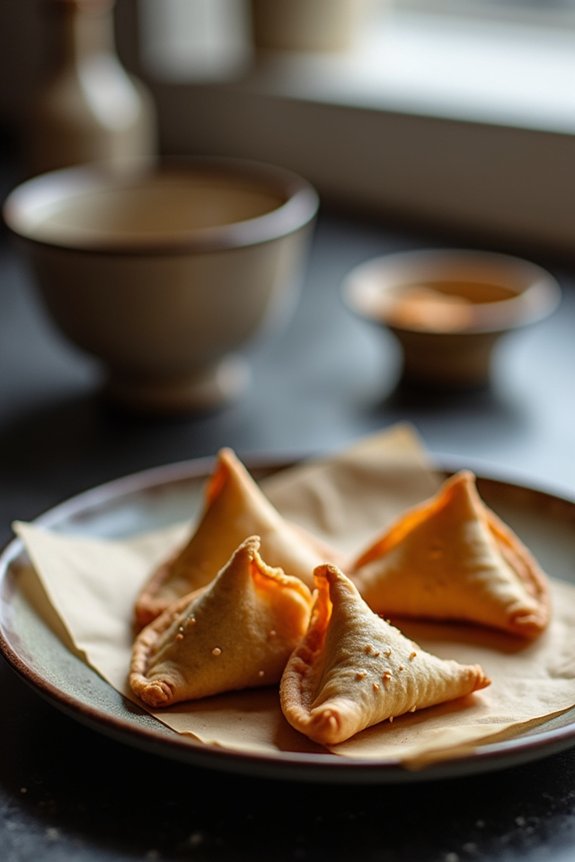
Ever wonder what’s actually in those complimentary cookies at the end of your takeout meal? Here’s the truth: most restaurant fortune cookies aren’t gluten-free, and I want to help you understand why.
Why They Contain Gluten:
- Regular wheat flour in the batter (the standard ingredient)
- Shared kitchen equipment with gluten-containing foods
- Flavorings and additives that hide gluten
- Cross-contamination from nearby prep areas
- Supply chains without gluten-free certification
Restaurants typically use affordable, conventional recipes. They don’t swap in gluten-free alternatives because it costs more and requires separate preparation. Even “complimentary” cookies often come from bulk suppliers who don’t prioritize gluten-free diets.
If you follow a gluten-free diet, ask your server directly about ingredients and preparation methods. Don’t assume those free cookies are safe—verification matters for your health.
Test Your Homemade Cookies for Safety
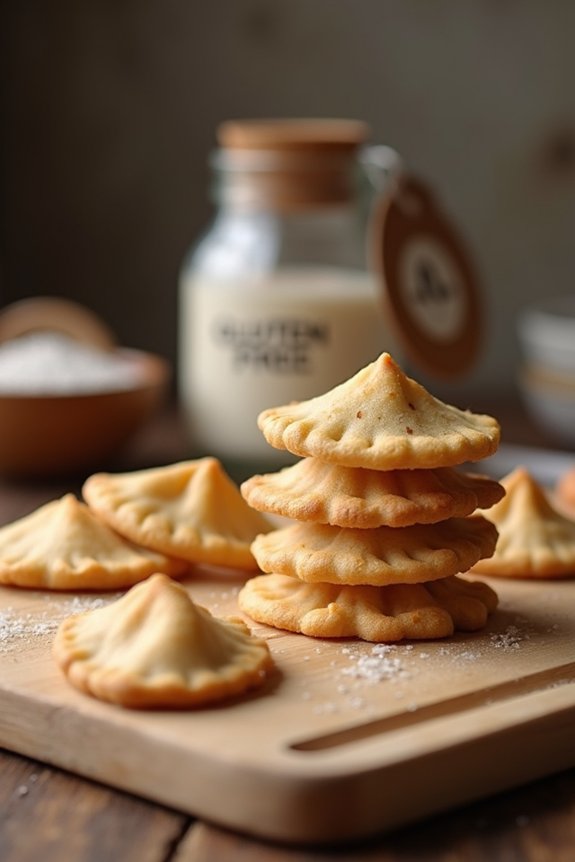
How do you know your homemade gluten-free fortune cookies are actually safe to eat? Start by using only certified gluten-free ingredients. Check every component—flour, binders, even vanilla extract. After baking and cooling, cut open a cookie and inspect the interior carefully. Look for any texture or crumb structure that seems off. This could signal cross-contact issues or ingredient problems.
Next, clean all surfaces and utensils thoroughly before preparing your next batch. This prevents gluten from sneaking into your cookies. Compare your finished cookies to store-bought versions. They should snap cleanly and hold their shape. If yours crumble, adjust your xanthan gum or starch ratios for better gluten-free safety.
Finally, track your ingredient sources and batch dates. Even certified flours vary between lots.