You typically don’t need to grease silicone baking pans for most cakes and cookies—that’s their superpower. The silicone surface is naturally non-stick at the molecular level, so baked goods slide right out. However, delicate pastries, thick sticky batters, and intricate molds benefit from a light coating of oil or cooking spray for extra insurance. Just use a whisper-thin layer to avoid buildup that degrades performance. Keeping your molds clean and dry between uses maintains that slick surface. There’s more to know about specific batters and long-term care.
Do You Really Need to Grease Silicone Baking Pans?
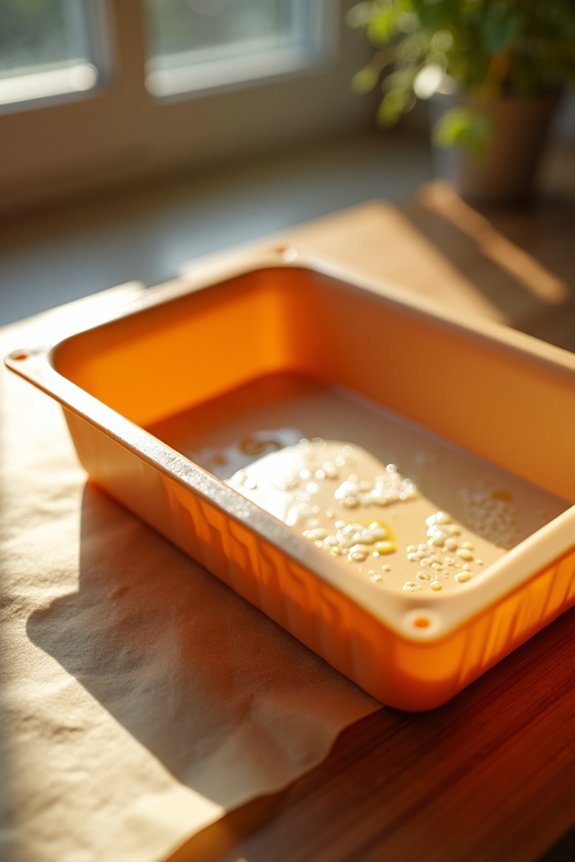
Why do we keep greasing our silicone pans when they’re already non-stick? Most bakers skip it entirely because silicone’s surface naturally releases baked goods without extra help. The material’s flexibility makes items pop right out. However, light greasing isn’t harmful for certain situations. Delicate pastries and thick, sticky batters benefit from a thin coating. If you’re using intricate molds with detailed designs, light greasing helps ensure clean release for those fine features. Some bakers apply minimal release agents for candies or chocolates too. Your best move? Follow your recipe’s guidance and your mold’s instructions. Clean your silicone properly between uses. You’ll discover what works for your baking style. Generally, skip the grease unless your specific recipe demands it.
Why Silicone’s Non-Stick Surface Works (And Why It Matters)
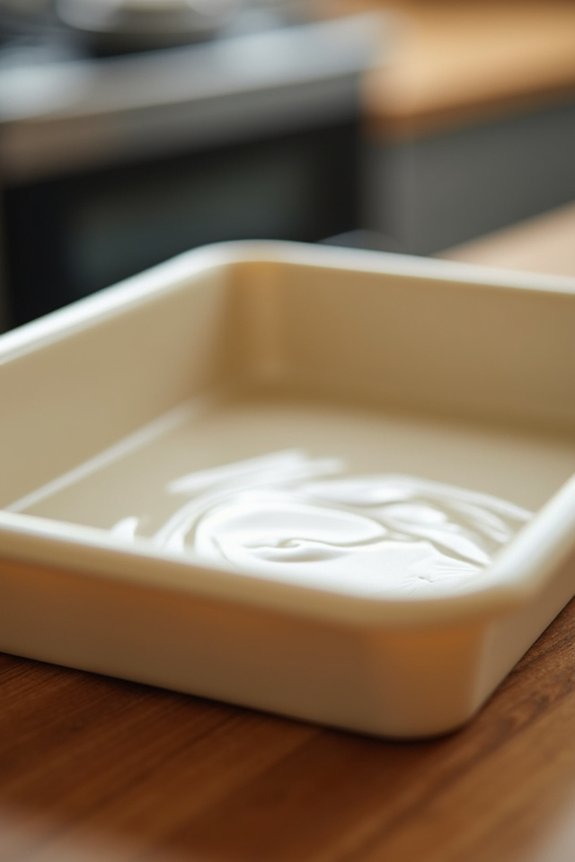
What makes silicone so slippery that your brownies practically slide out on their own? The silicone non-stick surface works because it’s inherently smooth at the molecular level. This natural coating repels moisture and fats, so baked goods don’t stick like they do on metal pans. You’re basically getting a permanent non-stick layer without needing to add anything.
Here’s what matters: greasing becomes optional rather than essential. Most expert bakers skip it entirely for standard recipes. Your baking molds release cakes, cookies, and pastries easily without oil or flour coating them first. That means less prep work and fewer cleanup hassles.
However, intricate designs or super-thick batters might benefit from light greasing. Just clean your molds with warm soapy water before and after each use. This maintains that slippery performance across your kitchen adventures.
When Greasing Silicone Molds Actually Makes a Difference
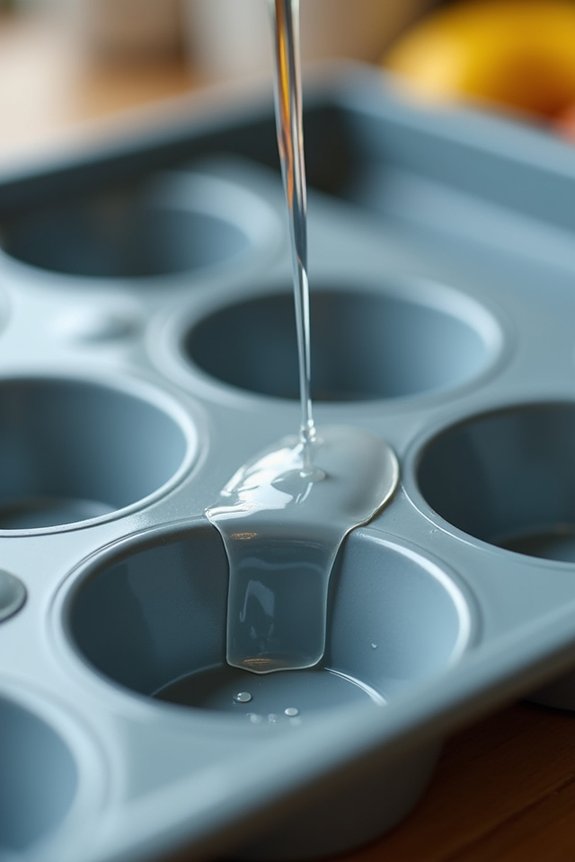
While most silicone molds release baked goods just fine on their own, I find that delicate pastries and thick, sticky batters actually benefit from a light coating of grease. Think of intricate chocolate molds or batters loaded with mix-ins—these situations are where a thin layer of butter or cooking spray gives you genuine insurance against sticking and damage. You don’t need much; a quick wipe or light dusting does the job without changing how your baked good tastes.
Delicate Pastries Need Support
Apply just enough to coat all the nooks and crannies without creating pooling puddles that’ll mess up your batter. When you’re working with delicate pastries like éclairs, macarons, or thin crepes, a thin coating of silicone release oil becomes your secret weapon. These recipes need extra help because their delicate structure can stick to even the best silicone molds.
I’ve found that brushing on a light layer before pouring gives you clean, detailed edges every time. The coating prevents those frustrating moments when intricate patterns refuse to release properly. You’re not overdoing it—just a whisper of grease across the surface works best.
For delicate pastries, this small step means professional-looking results without the mess. It’s that simple.
Thick Batters Require Release
dense, sticky batters benefit from a light release agent in ways that thinner batters simply don’t. When you’re working with thick cake batters or brownie mixes, silicone molds alone sometimes struggle. A thin coating of cooking spray or butter helps prevent sticking and ensures clean removal without tearing.
For complex silicone molds with detailed designs, that light greasing protects delicate features from breaking during demolding. You’re preserving the full shape and texture your batter creates. Apply release sparingly though—too much residue affects flavor and can weaken the mold’s surface over time.
Follow your recipe’s temperature guidelines closely. Avoid overfilling molds, since batter expansion during baking increases sticking. With dense batters, this combination—careful greasing plus proper technique—gives you reliable results every time.
Greasing Delicate Pastries: Light Oil vs. Cooking Spray
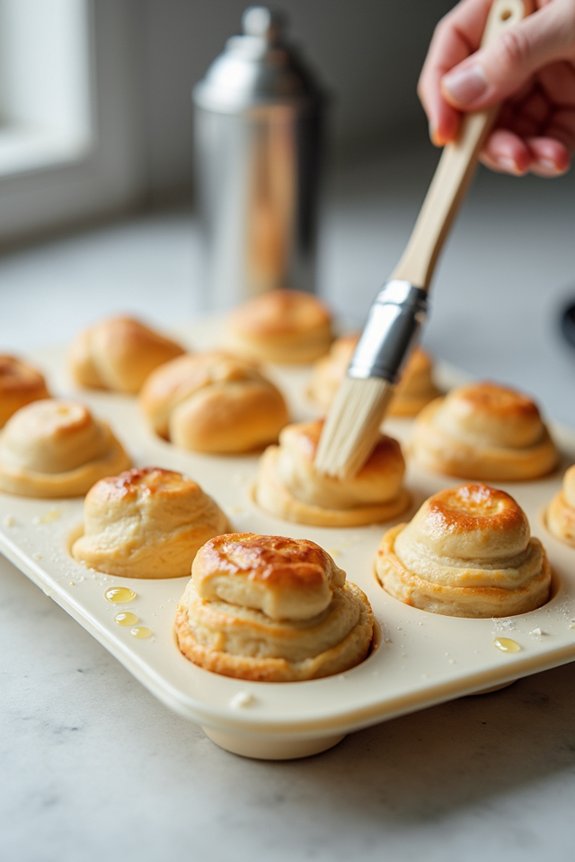
When you’re working with delicate pastries in silicone molds, I find that light oil application methods and cooking spray offer different advantages worth comparing. Light oil—brushed on with a pastry brush or applied with your fingertip—gives you precise control and creates a thin, even coating that won’t pool in the mold’s crevices, while cooking spray provides quick coverage but can sometimes leave residue buildup that affects future releases. I’d recommend testing both on your specific mold to see which one helps your pastries slip out cleanly without sticking or losing their detailed shapes.
Light Oil Application Methods
How do you decide between reaching for a brush and oil versus grabbing a cooking spray when you’re prepping a silicone pan?
I’ll share what works best. Light oil gives you control—you apply exactly what you need. Brushing it on lets you coat every crevice without oversaturating. Cooking sprays seem convenient, but they contain propellants that can pool and leave residue.
For delicate pastries on silicone pans, I prefer light oil because it delivers superior release效果 without flavor transfer. Here’s how the methods compare:
| Method | Control | Even Coating | Cleanup | Best For |
|---|---|---|---|---|
| Brush + Oil | Excellent | Very Good | Easy | Intricate molds |
| Spray | Moderate | Good | Moderate | Quick prep |
| Cloth + Oil | Good | Excellent | Very Easy | Thick batters |
Wipe away excess after applying. This prevents pooling and ensures clean results.
Cooking Spray Effectiveness Comparison
Now that you’ve got the brush-and-oil method down, let’s look at cooking spray—the faster option that doesn’t always deliver the same results. I find that cooking spray works well for simple recipes, but it has real limitations. The issue? Overapplication creates sticky residue that requires extra scrubbing afterward. When you spray too much on silicone pans, the buildup actually makes release worse, not better. For delicate pastries, I recommend using spray sparingly—just a light mist. However, for thick batters or complex mold patterns, combining a minimal spray with flour or sugar dusting outperforms spray alone as a release agent. The bottom line: cooking spray saves time, but a strategic oil-and-flour combo gives you better results with less cleanup hassle.
Thick, Sticky Batters: When Extra Release Aid Helps
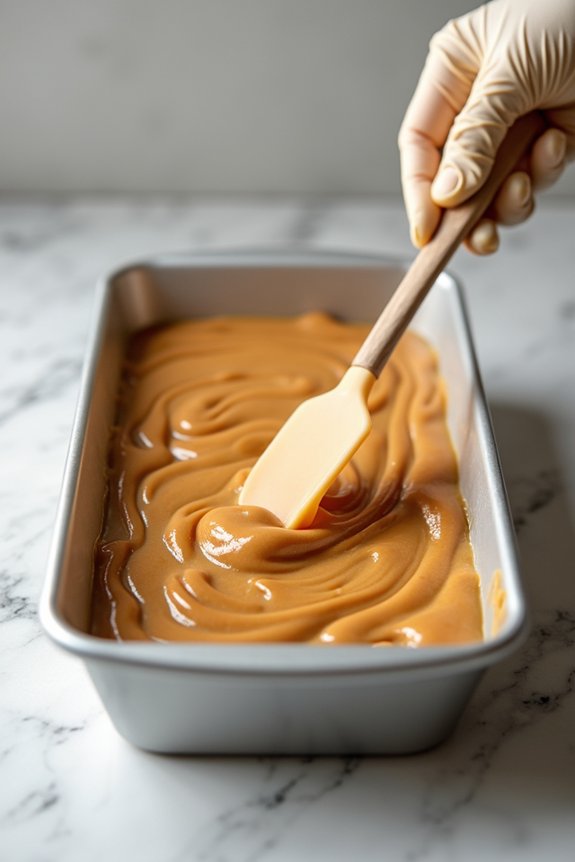
Why do some batters stick to silicone even though it’s supposed to be non-stick? Thick, sticky batters—like those loaded with sugar or fruit—can cling stubbornly to your mold. I’ve found that applying a light silicone mold release or minimal oil coating prevents this frustration. You’re not alone if you’ve experienced torn cake layers or messy unmolding.
For dense batters, I use a tiny amount of cooking spray or baking oil. This small step makes unmolding cleaner without ruining your pastry. Some bakers prefer parchment lining instead, which works equally well for intricate mold patterns. Apply your release agent sparingly—you want just enough coating to help. A light flour dusting afterward provides extra grip if needed. This approach keeps your baked goods intact and looking professional.
The Best Release Methods: Oil, Flour, Spray, or Nothing
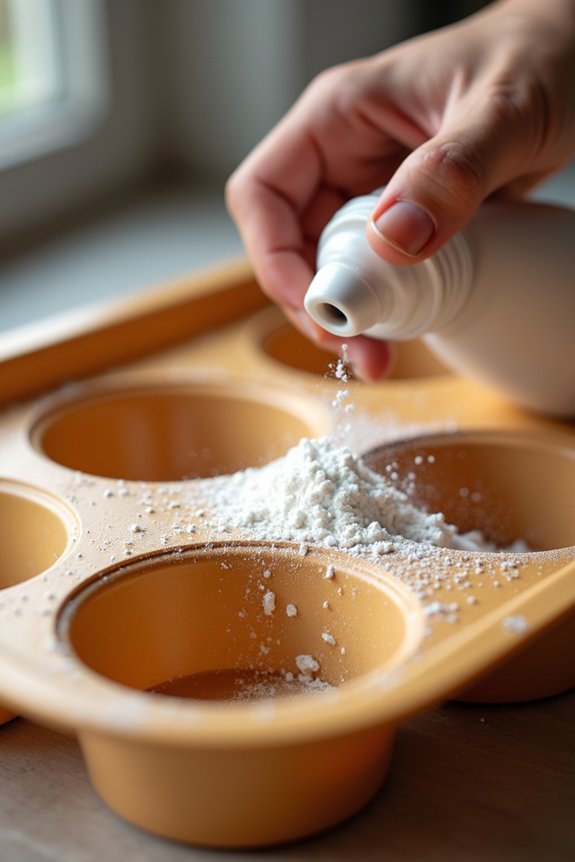
You’ve got options when it comes to releasing baked goods from silicone pans, and the best choice depends on what you’re baking.
| Method | Best For | Effort |
|---|---|---|
| Nothing | Most cakes, cookies | Minimal |
| Oil only | Standard batters | Light |
| Oil + flour | Dense cakes | Moderate |
| Oil + cocoa | Chocolate items | Moderate |
| Parchment paper | Any bake | Light |
I find that most recipes don’t need greasing at all. Your silicone mold release properties handle everyday baking just fine. For intricate designs or heavy batters, I use a light oil coat. That preserves your non-stick properties better than thick applications. Adding flour or cocoa dust gives extra insurance for sticky situations. Parchment paper works too—no grease needed. Just line your pan and bake. Keep temperatures under 450°F to maintain silicone integrity. Pick what matches your bake.
Silicone Molds vs. Metal Pans: Why You’re Not Using Them the Same Way
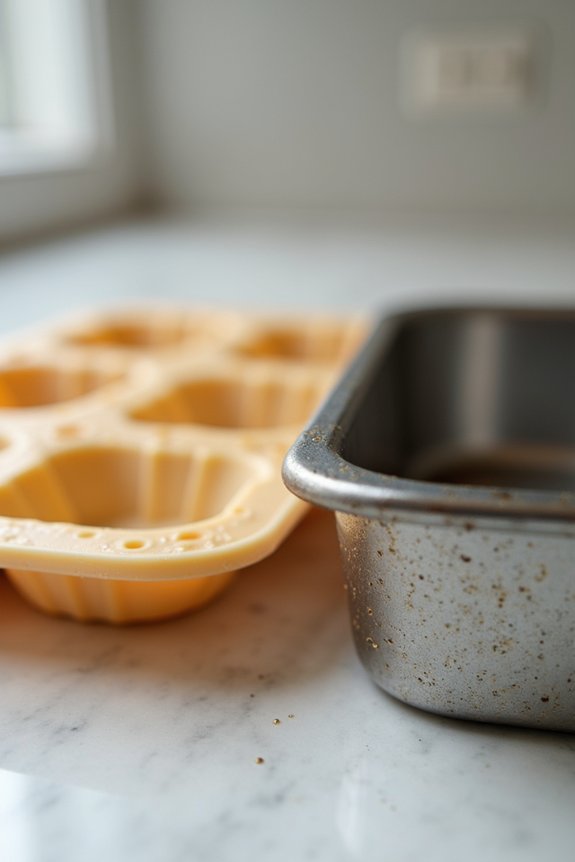
Silicone and metal pans work differently because of what they’re made from—silicone’s flexible rubber surface naturally resists sticking, while metal requires greasing to prevent your cake from sticking to it. You’ll notice that metal pans need butter and flour or cooking spray before baking, but silicone molds skip this step entirely thanks to their built-in non-stick properties. The material difference means you can save time with silicone, though a light coating helps if you’re working with thick, sticky batters or intricate designs.
Non-Stick Surface Properties
they’ve got a built-in non-stick surface that doesn’t require greasing most of the time. You’re working with a naturally slick material that releases baked goods without all that prep work.
That said, the non-stick performance varies depending on what you’re baking and your oven temperature. Here’s when you might still want minimal greasing:
- Delicate pastries that need extra insurance against sticking
- Thick, sticky batters that benefit from light misting
- Conditioning your molds to preserve their flexibility and extend their lifespan
For standard recipes, skip the grease entirely. Just follow your manufacturer’s temperature guidelines and avoid overfilling. Proper release happens naturally when you respect the mold’s design and capabilities.
Material Differences And Care
Why aren’t you treating your silicone molds and metal pans the same way? They’re fundamentally different tools requiring different approaches.
Silicone non-stick surfaces handle temperatures from -60°C to 230°C without warping, while metal pans can bend or dent under stress. This flexibility means silicone molds preserve their shape, making release easier. You’ll need fewer release agents with silicone—sometimes just a light coating for thick batters. Metal pans demand butter, oil, or cooking spray plus flour for reliable release.
Care and cleaning differ too. Wash your silicone molds with mild detergent and avoid harsh cleaners that degrade the material. Store them flat or rolled without worry. Metal pans need protective liners during storage and occasional seasoning to prevent rust. Understanding these material differences means you’re using each tool properly and getting better baking results.
Release Performance Compared
Now that you understand how silicone and metal pans are built differently, you’ll see why their release performance isn’t the same either. I’ve found that silicone molds naturally release baked goods easier than metal pans, but the situation gets more nuanced depending on what you’re baking.
Here’s what I’ve learned about greasing and release performance:
- Silicone molds need minimal or no greasing for most standard batters, making cleanup faster
- Metal pans require consistent greasing and flouring to prevent sticking, especially with delicate recipes
- High-sugar batters actually release better from metal pans after proper cooling, even though silicone seems non-stick
For thick or sticky batters, I apply a light release aid to silicone molds. Metal pans demand more upfront preparation. The trade-off? Silicone offers convenience; metal gives you predictable results with intricate designs.
Preparing Your Silicone Pans Before the First Bake
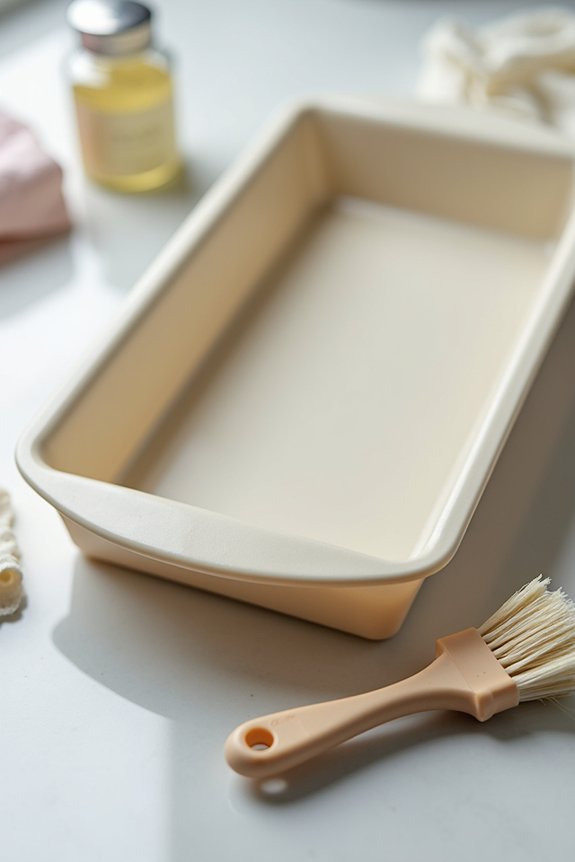
Because silicone has natural non-stick properties built right into the material, you can skip the greasing step that you’d normally do with metal pans. I just clean my silicone molds with warm soapy water and dry them completely before using them. Moisture affects how your batter releases, so that dry step matters.
For your first bake, you’re ready to go without any release agent. Most standard recipes work perfectly on silicone non-stick surfaces alone. However, if you’re using intricate molds with lots of details or working with sticky batters, a very light coating of cooking spray helps. Don’t overdo it—heavy greasing defeats the purpose of silicone’s built-in benefits. Keep it minimal if you use anything at all.
Temperature Settings and Silicone Mold Sticking: The Connection
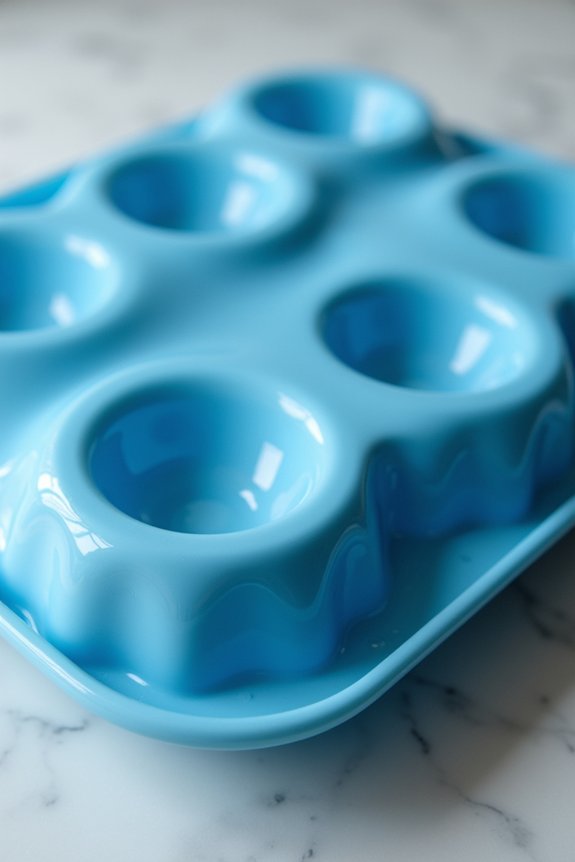
How much does temperature actually matter when you’re baking with silicone? It matters more than you’d think. Silicone molds have specific temperature guidelines, and straying from them causes silicone mold sticking and warping issues.
Here’s what you need to know:
- Follow your mold’s maximum temperature limit, typically between 400-500°F, to prevent heat damage
- Avoid sudden temperature changes that make silicone expand or contract unevenly
- Let your oven preheat fully before placing molds inside for consistent baking
When you ignore temperature guidelines, your batter sticks worse to the pan. Sometimes adding a light release agent helps, but honestly? Respecting those temperature limits prevents most sticking problems naturally. Your silicone molds stay in better shape longer too, keeping their non-stick properties intact for future bakes.
Maintaining Your Silicone’s Non-Stick Performance Through Proper Cleaning
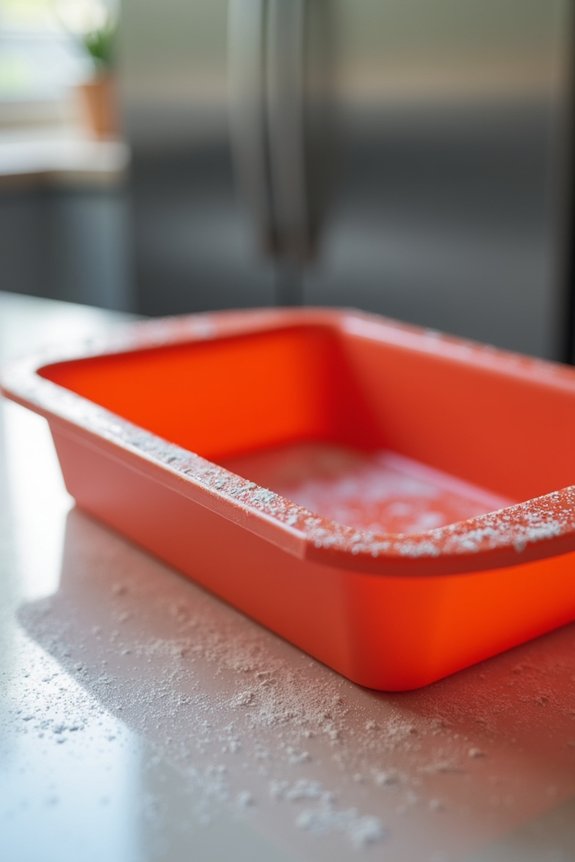
Once your silicone molds stay put in the oven thanks to proper temperature control, you’ll want to keep them performing well for years to come. I wash mine with warm soapy water right after use. This simple step maintains your silicone non-stick properties and keeps that release performance sharp. Skip the harsh detergents—they’ll damage the surface. I also avoid abrasive scrubbers that dull the finish and reduce effectiveness over time. Here’s the key: let your molds dry completely before storing them. Moisture affects flexibility and sticking issues down the road. Cold water rinsing before baking can help too, though it’s optional. Proper cleaning isn’t complicated. Treat your silicone right, and it’ll release your baked goods easily every single time.
Storage Habits That Preserve Mold Flexibility and Shape
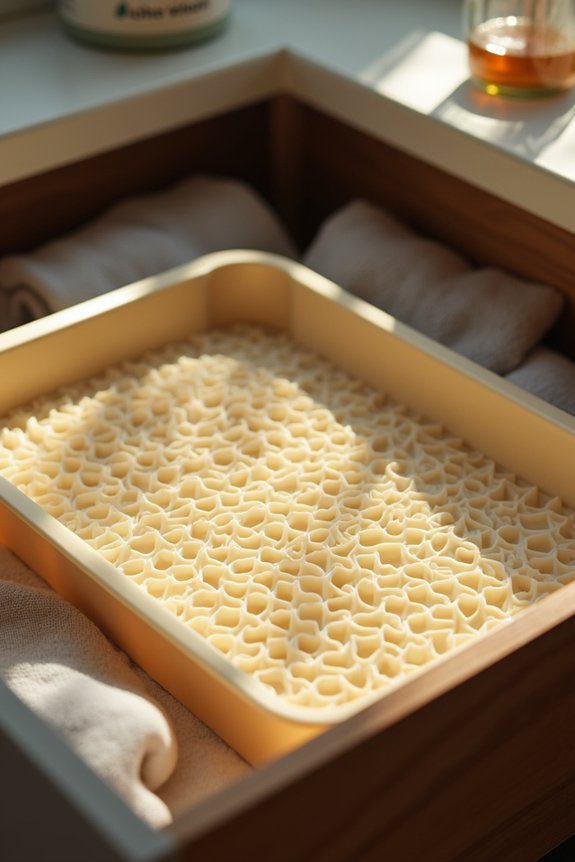
Where you store your silicone molds matters just as much as how you clean them. I’ve learned that proper storage directly impacts how well your molds perform over time.
Here’s what I do to keep my silicone molds in top shape:
- Store molds flat or hung to prevent warping and maintain their original form
- Keep them away from direct sunlight and extreme temperatures that can reduce flexibility
- Avoid stacking heavy objects on top, which causes creasing and permanent deformation
I also make sure my molds are completely air-dried before storing them. Moisture trapped inside creates odors and growth issues. When I do stack multiple molds, I place a protective layer between each one. This prevents scratches and tearing. These storage habits preserve your molds’ flexibility and shape for years of reliable baking.
Why Your Silicone Molds Stick (And How to Fix It)
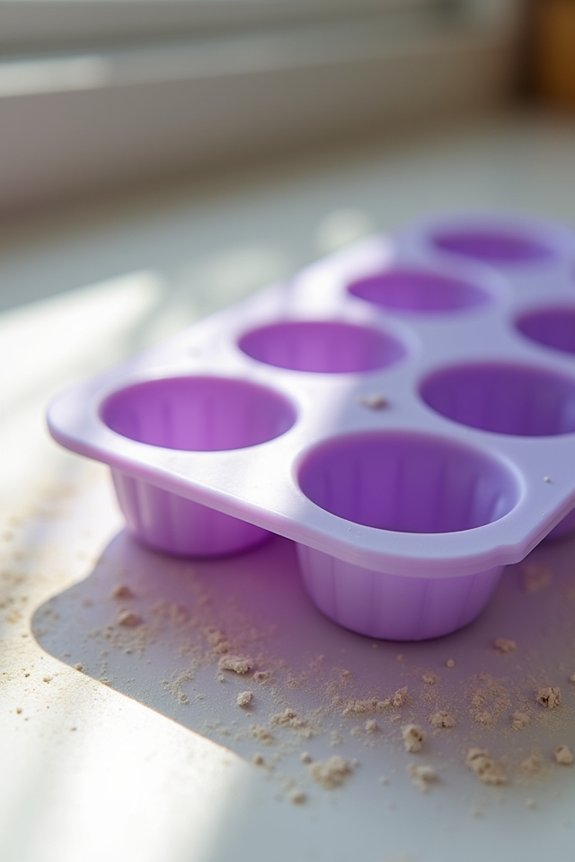
Why does your baked good sometimes stick stubbornly to your silicone mold even though silicone’s supposed to be non-stick?
Why baked goods stick to silicone molds: residue buildup and overfilling are often the real culprits, not the mold itself.
The culprit usually isn’t the mold itself. Overfilling causes batter to push against the sides, creating sticking problems. Residue from previous bakes also traps your creation. Here’s what works: proper cleaning matters more than grease. Wash your mold thoroughly with warm soapy water and dry it completely before use.
If sticking still happens, apply minimal release agents sparingly. A light dusting of flour or a tiny amount of cooking spray does the job without compromising silicone’s natural benefits. For delicate chocolate pieces, a whisper-thin layer protects them from breaking during removal.
The key? Don’t overfill, clean well, and use restraint with any release agent.
Common Damage: What Destroys Silicone’s Non-Stick Surface
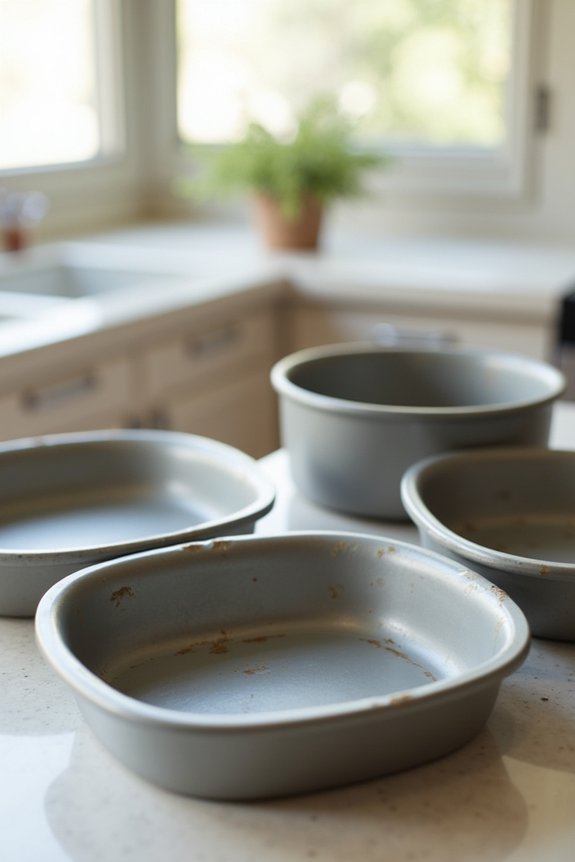
I’ve noticed that silicone’s slick surface actually degrades pretty easily when you use abrasive scrubbers or metal utensils on it, which creates tiny scratches that trap food particles and reduce its release power. Heat damage and oil buildup are equally problematic—exposing your pans to temperatures above their limits or letting flour and grease accumulate slowly wears down the non-stick properties you’re paying for. The good news is that understanding these three damage types helps you protect your investment and keep your silicone pans performing well for years.
Abrasive Cleaners and Scratches
How much damage can a steel wool scrubber really do to your silicone pan? More than you’d think. I’ve learned that abrasive cleaners and harsh scrubbers create micro-scratches on your silicone’s surface. These tiny scratches compromise the non-stick wear and make future baking messier.
Here’s what happens when you use the wrong cleaning tools:
- Steel wool and gritty powders abrade the silicone, leaving visible scratches where batter clings
- Repeated abrasion accelerates non-stick wear, reducing flexibility over time
- Scratches harbor bacteria and staining, though they’re not typically food safety risks
I recommend using mild detergents and soft, non-abrasive sponges instead. This approach preserves your pan’s integrity. Gentle cleaning extends your silicone’s lifespan significantly. You’ll notice better release and easier cleanup when you skip the harsh scrubbing.
Heat Damage and Degradation
When you expose your silicone baking pan to temperatures beyond its limits—typically around 230°C (446°F)—you’re asking for trouble. Excessive heat causes the material to soften, warp, or crack. Your silicone non-stick surface degrades when repeatedly subjected to harsh conditions like broiling. This breakdown reduces the release properties you rely on, making foods stick where they shouldn’t.
Heat damage compounds during cleaning and maintenance. Residue builds up after high-heat exposure, and without proper care, that buildup impedes non-stick performance further. Each intense heat cycle weakens the mold’s longevity. Check your specific pan’s temperature limit before using it. Stay within safe ranges, and your silicone baking pan stays reliable. Respect these boundaries, and you’ll maintain that non-stick quality.
Oil Buildup and Residue
Oil buildup sneaks up on your silicone baking pan in ways you might not expect. Over time, oil-based release agents create a slick residue that attracts dust and debris. This gummy film actually grips your batter as surfaces heat and cool, destroying the non-stick performance you rely on.
Here’s what happens:
- Oil accumulates without proper washing after each use
- Harsh scrubbing with abrasive cleaners degrades the silicone surface
- Stubborn residue becomes permanent, dulling release properties
Regular cleaning with warm, soapy water after baking prevents this problem. For tougher situations, use a degreasing agent or baking soda paste monthly. These simple steps keep your pan’s non-stick coating working like new, so your baked goods slide right out every single time.
Beyond Basic Baking: Freezing, Microwaving, and Candy Making in Silicone
What makes silicone molds so versatile beyond just baking? I’ve discovered they’re game-changers for freezing, microwaving, and candy making. The silicone non-stick surface excels in all these applications without requiring greasing. Here’s what you need to know:
| Use | Temperature Range | Key Tip |
|---|---|---|
| Freezing | -60°C to 0°C | Details stay sharp |
| Microwaving | Up to 230°C | Avoid sudden temperature changes |
| Candy making | Room temp to 120°C | Release depends on stickiness |
| Ice creation | -60°C | Preserves intricate designs |
| Chocolate molding | 30°C to 50°C | Works perfectly ungreased |
I avoid greasing for these tasks entirely. The natural non-stick properties handle everything. Just follow your mold’s specific temperature range and clean with warm water and mild detergent afterward. Your silicone stays in top shape longer.