
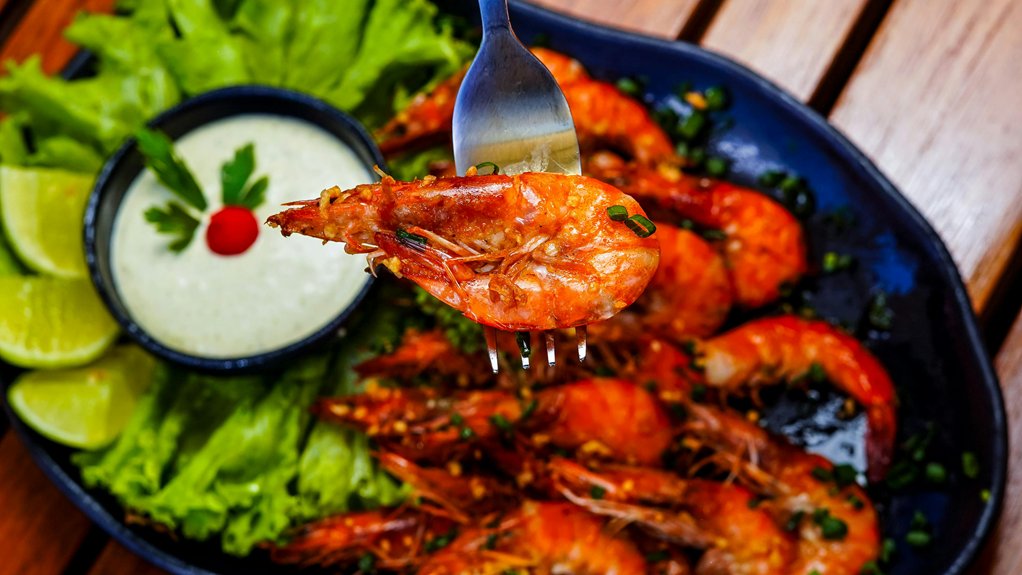
Most cocktail sauce is naturally gluten-free since ketchup, horseradish, lemon juice, and spices don’t contain gluten. But here’s the catch: store-bought brands often sneak it in through additives, flavorings, and especially Worcestershire sauce. You’ll need to check each label before you dip. The safest move? Make your own in five minutes using gluten-free labeled ingredients. If you want to know exactly which brands are safe and how to spot hidden gluten, there’s more to uncover.
The Short Answer: Most Cocktail Sauce Is Naturally Gluten-Free
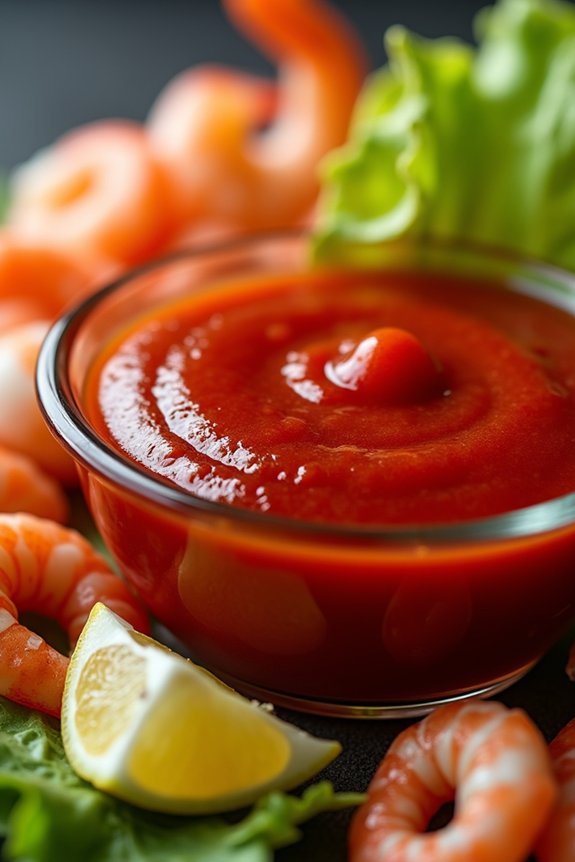
So, is cocktail sauce gluten-free? Yes, most of it is. The basic ingredients—ketchup, horseradish, lemon juice, and spices—don’t contain gluten naturally. I find this good news for anyone avoiding gluten.
Most cocktail sauce is gluten-free since basic ingredients like ketchup, horseradish, lemon juice, and spices contain no gluten naturally.
However, here’s where you need to pay attention. Store-bought brands sometimes sneak in gluten-containing additives or flavorings. You’ve got to read those ingredient labels carefully. Some recipes use Worcestershire sauce, which can hide gluten too.
Cross-contact matters as well. If a facility processes gluten products alongside cocktail sauce, there’s a small risk of contamination. Look for bottles labeled explicitly gluten-free when shopping.
Want guaranteed results? Make your own at home using verified gluten-free ingredients. It’s simple, quick, and puts you completely in control.
Where Gluten Hides in Store-Bought Cocktail Sauce
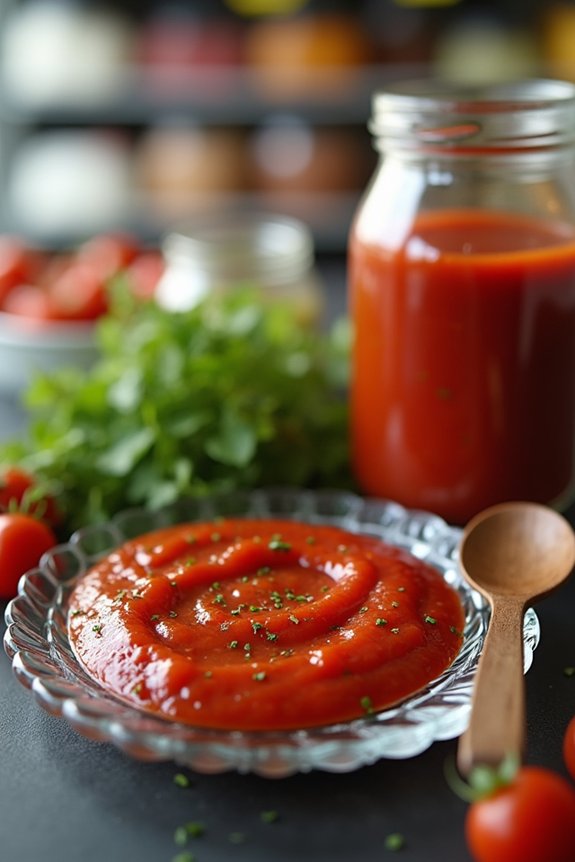
While the basic ingredients in cocktail sauce are naturally gluten-free, many store-bought versions slip in hidden gluten through additives and processing tricks. Worcestershire sauce is your biggest concern—certain brands use gluten-containing ingredients, so verify the label. Ketchup, horseradish, and lemon juice are typically safe, but processed versions may add gluten-containing stabilizers or fillers as thickening agents. Your gluten inspection should extend beyond the ingredient list. Check for cross-contact warnings, since products made in facilities handling wheat, barley, or rye risk contamination. Manufacturer statements matter here. Contact the company directly if packaging doesn’t clearly state “gluten-free.” Don’t assume anything. Read thoroughly, ask questions, and verify each brand’s specific gluten status before purchasing.
Check These 5 Ingredients in Gluten-Free Cocktail Sauce
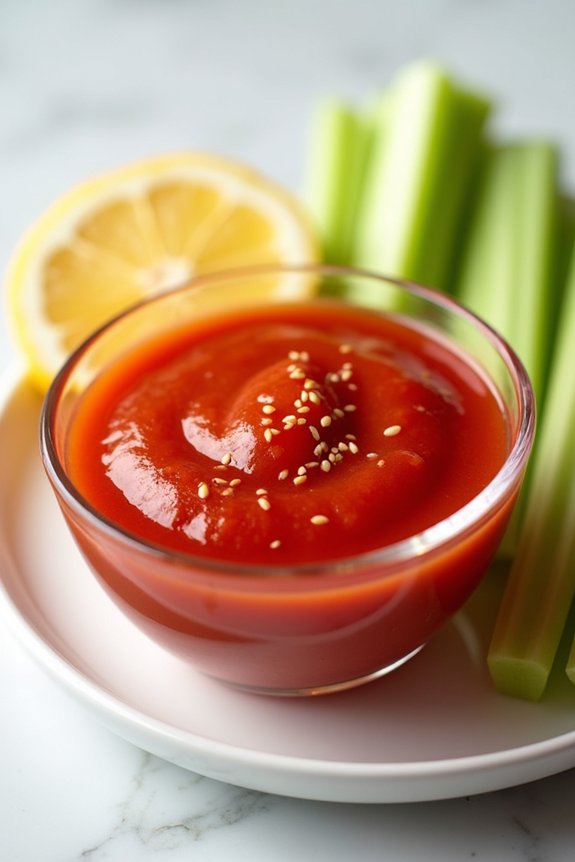
What’s actually hiding in that bottle of cocktail sauce you grabbed from the shelf? I’m checking five core gluten-free ingredients that matter. First, horseradish—usually safe, but verify the label. Next comes ketchup. Some brands use gluten-containing additives despite having vinegar. Hot sauce varies by brand, so I always double-check. Then there’s Worcestershire sauce, the sneaky culprit. Regular versions contain gluten, so I grab gluten-free alternatives specifically. Finally, fresh lemon juice is naturally gluten-free. Here’s my honest approach: I read every single label, even on products that seem obviously safe. Store brands sometimes add hidden gluten-containing flavorings. Making cocktail sauce at home with clearly labeled gluten-free ingredients gives me complete control and peace of mind.
Best Gluten-Free Cocktail Sauce Brands
Reading labels teaches you what to avoid, but knowing which brands already did the work saves time. I recommend Lea & Perrins Worcestershire sauce because they offer gluten-free labeled versions that eliminate guesswork. Gold’s horseradish is another solid choice—it’s clearly marked gluten-free on the bottle.
For premade cocktail sauces, Heinz and Crosse & Blackwell have communicated their gluten-free statuses for certain products. Always verify current labels since formulations can shift. Check that ketchup-based options use distilled vinegar and gluten-free blends, not standard thickeners or hidden gluten in flavorings.
Here’s my honest take: making your own cocktail sauce beats buying premade every time. Combine verified gluten-free ketchup, horseradish, lemon juice, and gluten-free Worcestershire. You control every ingredient and guarantee safety for your guests.
Make Your Own Gluten-Free Cocktail Sauce in 5 Minutes
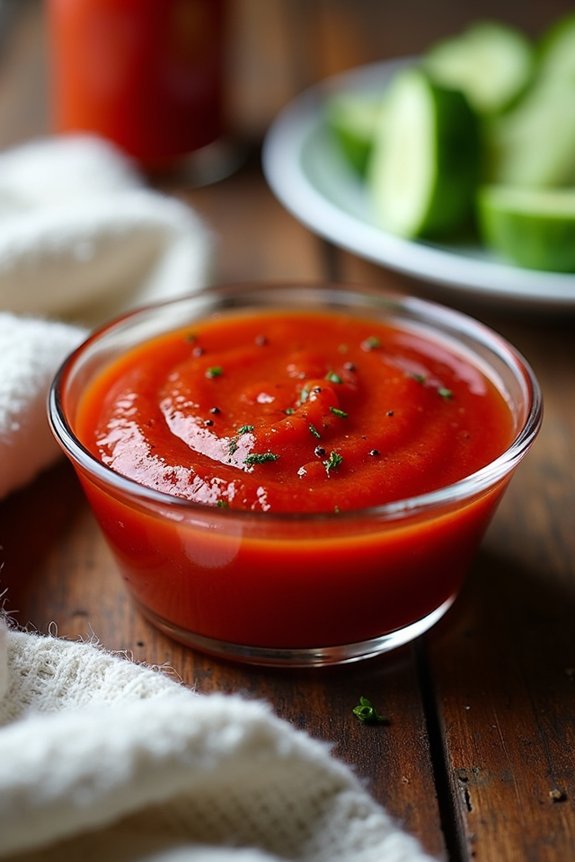
If you’re tired of hunting through store shelves for a sauce that actually fits your gluten-free needs, I’ve got good news—you can whip up your own in about five minutes flat using just five ingredients: horseradish, ketchup, hot sauce, gluten-free Worcestershire sauce, and fresh lemon juice. When you make it yourself, you control exactly what goes in, which means you can dial up or down the heat and spice to match your taste while keeping cross-contamination completely off the table. Simply whisk everything together, let it chill for a few minutes so the flavors blend nicely, and you’re ready to dip.
Quick Assembly Method
How quickly can you whip up a homemade cocktail sauce? I can make a gluten-free cocktail sauce in about five minutes flat.
Here’s my method. I grab ketchup, horseradish, lemon juice, and gluten-free Worcestershire sauce. Then I whisk everything together until smooth. That’s it.
Start with one to two teaspoons of horseradish for heat you can adjust. Want it spicier? Add more horseradish or a splash of gluten-free hot sauce. I taste as I go, tweaking the flavor with extra salt or lemon juice.
Before serving, I chill the mixture briefly. This quick assembly means I skip store-bought sauces entirely and control exactly what goes in my gluten-free cocktail sauce. Perfect for seafood platters anytime.
Ingredient Quality Control
What separates a safe gluten-free cocktail sauce from a risky one? Ingredient quality control. I’ve learned that reading every single label matters, even on items I’d assume are naturally gluten-free.
Here’s what I do to protect my sauce:
- Select only gluten-free labeled ketchup, horseradish, and Worcestershire sauce—some brands sneak in barley-derived ingredients
- Check facility statements for cross-contamination risks, especially if your sensitivity is high
- Verify each seasoning bottle, since some spice blends hide gluten fillers
Freshly prepared homemade sauce gives me complete control. Store-bought versions often contain hidden gluten-containing flavorings that homemade recipes skip entirely. I dedicate specific utensils and prep surfaces to avoid cross-contamination. This five-minute process ensures I’m actually making something safe to serve everyone at my table.
Hidden Allergens in Cocktail Sauce Beyond Gluten
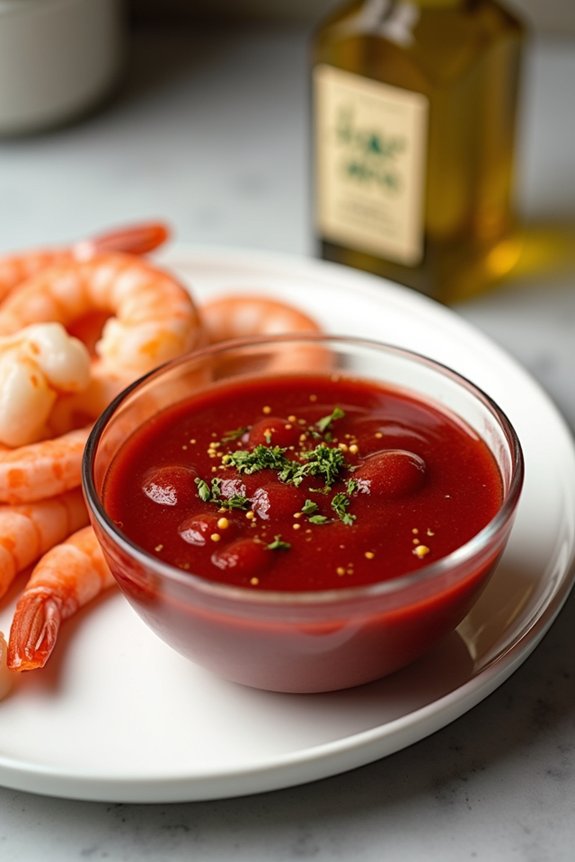
While you’re checking cocktail sauce for gluten, you should also watch out for other allergens hiding in plain sight. Worcestershire sauce often contains anchovies or fish products that can trigger allergies, and tomato or onion sensitivities might affect you if you’re prone to digestive issues with nightshade vegetables or sulfur compounds. I recommend reading every ingredient label carefully and calling the manufacturer if you’re unsure, since cross-contact with allergens can happen during production even when gluten isn’t involved.
Worcestershire Sauce Fish Products
Beyond gluten, there’s another sneaky ingredient lurking in many Worcestershire sauces: fish. I want you to know what you’re actually eating, especially if seafood allergies affect you or your loved ones.
Here’s what matters:
- Anchovies hide in Worcestershire sauce fish products as a core flavoring agent
- Fish-based ingredients aren’t always clearly labeled on the front packaging
- Cross-contamination risks exist during manufacturing if facilities process multiple allergens
Most traditional Worcestershire sauces contain anchovies or fish derivatives. I’ve learned that checking ingredient lists carefully protects you better than trusting labels alone. Even brands marketed as “clean” may surprise you with hidden fish products.
When selecting cocktail sauce, verify that your specific Worcestershire brand explicitly states “fish-free” or “anchovy-free.” Don’t assume anything—read those ingredient statements yourself. Your safety depends on it.
Tomato And Onion Sensitivities
How many times have you reached for cocktail sauce only to feel uncomfortable afterward, even though you checked for gluten? The problem might not be gluten at all. Tomato and onion sensitivities lurk in most cocktail sauces, triggering reactions in people who can tolerate gluten-free products just fine.
Cocktail sauce typically contains tomato-based ketchup or paste, which causes problems for folks with tomato allergies. Many recipes also include onion or onion powder, sparking digestive issues or allergic-type symptoms. Even gluten-free versions pack these troublemakers.
Hidden allergens complicate things further. Worcestershire sauce and other flavorings contain tomato-derived components or onion-related ingredients that cross-contact your sauce.
Your solution? Make homemade, labeled gluten- and allergen-free cocktail sauce. You’ll control tomato and onion content while avoiding sneaky hidden sources completely.
How to Verify Gluten-Free Status on Any Bottle
So you’re standing in the grocery store with a bottle of cocktail sauce in your hand—how do you actually know if it’s safe to eat?
Standing in the grocery store wondering if that cocktail sauce is safe to eat? Here’s how to check.
I always check the ingredient list first. Ketchup, horseradish, lemon juice, and spices are usually gluten-free, but additives hide trouble. Here’s what I do:
- Read the label for “gluten-free” claims or certifications
- Scan ingredients for sneaky culprits like Worcestershire sauce variations
- Contact the manufacturer if details seem unclear
Brands like Heinz and Lea & Perrins vary by product, so I don’t assume anything. If I’m unsure after checking, I make my own sauce with verified gluten-free ingredients. Takes ten minutes, guarantees safety, and honestly? It tastes better. You’ve got this.
Gluten-Free Sauce Alternatives to Cocktail Sauce
Once you’ve figured out what’s safe on the shelf, you might wonder if there’s anything else you can reach for instead. You’ve got solid options that work great with shrimp cocktail sauce alternatives.
Tartar sauce delivers that creamy, tangy punch you’re craving. Remoulade brings spice and herbs to the table with its mayo base. If you want something garlicky, aioli nails it. Fresh salsa gives you a lighter, tomato-based route with herbs and peppers. Chimichurri skips the cream entirely, leaning into parsley, garlic, vinegar, and oil for an herb-forward kick.
Each swap works differently depending on your seafood and taste preferences. Check labels carefully to confirm gluten-free status, especially with store-bought versions. You’re not limited to one choice anymore.