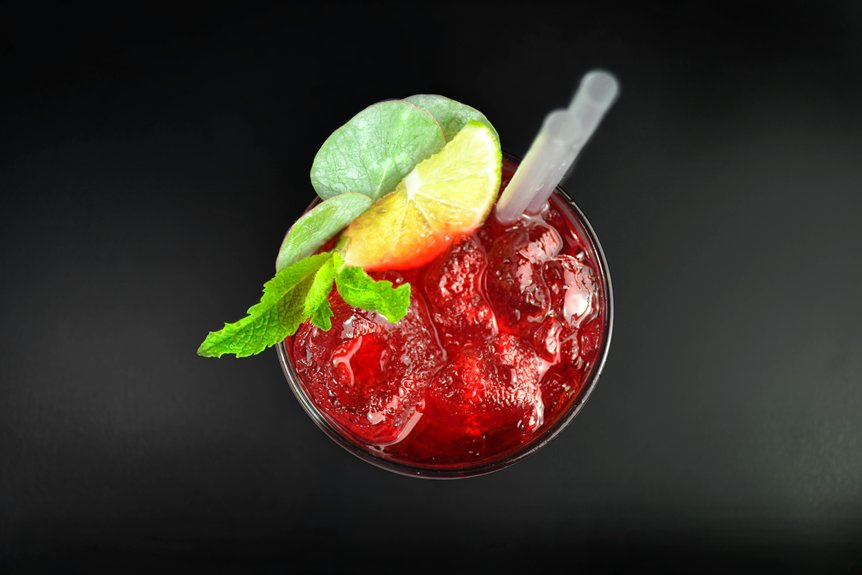
Yes, cocktails require alcohol—that’s what makes them cocktails. Without a base spirit like whiskey, gin, or rum, you’ve got juice or a mocktail instead. The alcohol is the foundation that gives a cocktail its identity and flavor direction. Mixers, bitters, and sweeteners support it, but they can’t replace it. Even simple two-ingredient drinks need that alcoholic base to qualify. Want to understand what separates a true cocktail from imposters?
Yes, Alcohol Is the Core Requirement
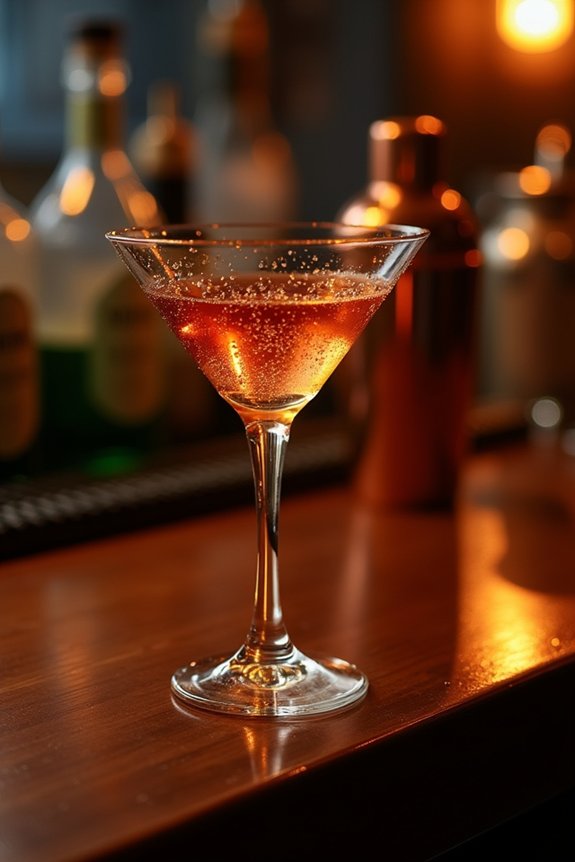
Why does a cocktail need alcohol? Simple. Alcohol is the foundation that makes a drink a cocktail in the first place. Without it, you’ve just got juice or soda.
Think of alcohol as the main character in your drink’s story. Everything else—the mixer, the bitters, the sugar, even the ice—plays a supporting role. These ingredients enhance flavor and texture, but they’re not the star.
Here’s what I mean: a rum and cola works as a cocktail because rum leads the show. A cola by itself? That’s just a soft drink. Even basic two-ingredient drinks qualify as cocktails when alcohol’s involved.
Water or ice might dilute your drink or cool it down, but they’re helpers, not replacements. Alcohol remains essential. That’s the rule that’s held true throughout cocktail history.
What Separates a Cocktail From Other Mixed Drinks
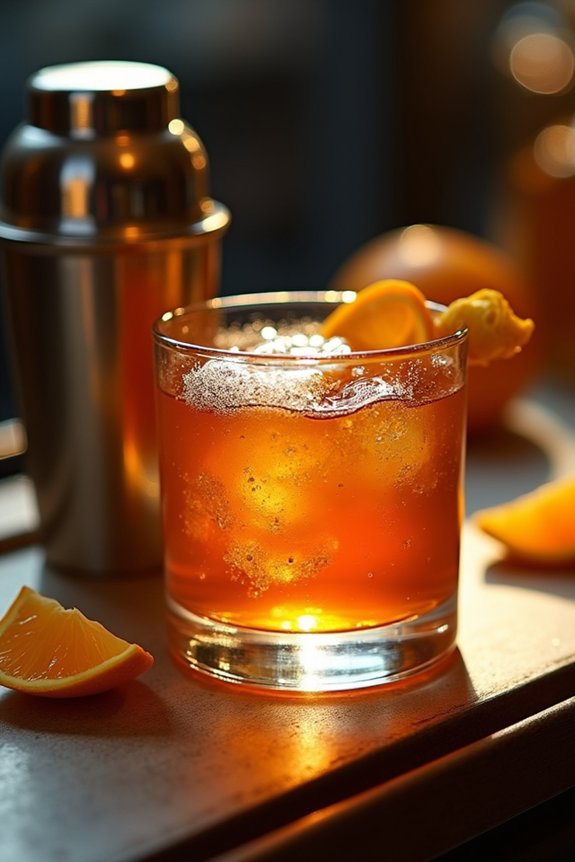
So what actually makes a cocktail different from just any mixed drink you might grab at a café?
The key difference comes down to one essential ingredient: alcohol. A cocktail combines spirits or fortified wines with other ingredients like mixers, sugar, water, and bitters. That alcoholic base is what separates it from other drinks. Without alcohol, you’ve got a mocktail instead.
Think of it this way. A soda with fruit juice? That’s just a mixed drink. Add vodka to that same combination, and boom—you’ve created a cocktail. Even simple two-ingredient cocktails like a vodka and cranberry juice follow this rule.
Understanding this distinction helps you navigate drink menus confidently. When you order a cocktail, you’re specifically requesting an alcoholic beverage. Mocktails deliver that mixed-drink experience without the alcohol component.
The Core Ingredients Every Cocktail Requires
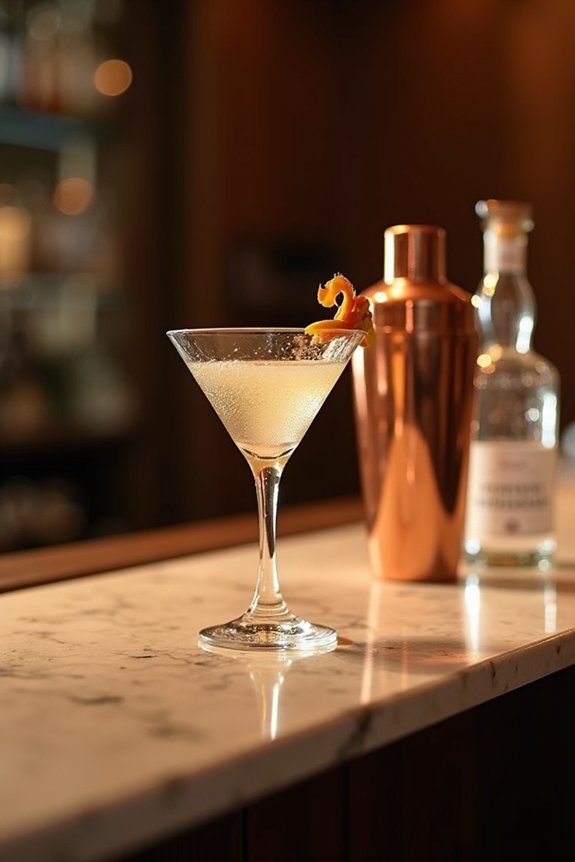
Now that we’ve established what separates cocktails from other drinks, let’s look at what actually goes into making one. A cocktail is a mixed drink that requires alcohol as its foundation. You’ll need spirits like vodka, rum, or gin. Beyond the base spirit, you’re combining additional ingredients that transform it into something distinct.
| Component | Purpose | Examples |
|---|---|---|
| Base Spirit | Primary alcohol | Vodka, rum, whiskey |
| Flavoring | Taste enhancement | Bitters, liqueurs, juices |
| Sweetener | Balance | Sugar, simple syrup, honey |
These core elements work together. The spirit provides the alcoholic backbone. Flavorings and sweeteners create complexity and appeal. You’re not just mixing random ingredients—each element serves a specific function. This combination is what defines a cocktail and distinguishes it from plain spirits or basic mixed drinks.
Historical Evidence: Alcohol and Bitters in Early Cocktails
When you look back at the 1806 definition from the Balance and Columbian Repository, you’ll find that cocktails were clearly described as stimulating liquors made from spirits, sugar, water, and bitters—establishing alcohol as the non-negotiable foundation. Bitters emerged as a defining feature in these early formulations, distinguishing a cocktail from a simple spirit-and-water drink and marking it as something intentionally crafted with purpose. These spirit-based recipes, like the Old Fashioned that still exists today, show us that alcohol wasn’t just present in cocktails—it was the whole reason they existed in the first place.
The 1806 Definition
The earliest formal definition of a cocktail comes from an 1806 publication called The Balance and Columbian Repository, and it tells us something important: cocktails have always contained alcohol. That original definition described a cocktail as a stimulating liquor made with spirits, sugar, water, and bitters. Notice what comes first? Spirits—the alcoholic base. Sugar, water, and bitters were the supporting players, but alcohol was essential. This wasn’t accidental phrasing. The publication established a foundational standard that’s still recognized today. Classic cocktails like the Old Fashioned follow this exact formula. When you look at that 1806 definition, you’re seeing the historical blueprint. Alcohol wasn’t just one ingredient among many—it defined what a cocktail actually was.
Bitters As Defining Feature
Why did bitters become such an essential part of early cocktails? I’ll tell you—they were the ingredient that defined what made a cocktail actually a cocktail.
Here’s what separated cocktails from other mixed drinks:
- Bitters provided a distinctive bitter-sweet flavor profile that became instantly recognizable
- They served as a signature marker in Jerry Thomas’s 1862 recipe guide, categorizing drinks with bitters as true cocktails
- Early bartenders used bitters to transform simple spirit-and-water combinations into something special
When you look at the 1806 definition, bitters weren’t optional extras. They were fundamental. This flavoring ingredient worked alongside spirits, sugar, and water to create that unmistakable taste we still recognize today. Without bitters, you’d just have sweetened alcohol. With them, you had a cocktail. That’s the difference between a casual drink and something worthy of its own name.
Early Spirit-Based Formulations
How’d bartenders actually make cocktails back in the early 1800s? They kept things straightforward. Spirits formed the foundation—usually whiskey, rum, or brandy. Bartenders added sugar to sweeten the drink, then incorporated bitters for complexity and flavor. Water came next, diluting the mixture and helping ingredients blend together. That’s it. No fancy techniques or exotic ingredients. These early cocktails followed a simple formula that defined what made a drink worthy of the name. The 1806 definition captured this perfectly: spirits plus other ingredients, including sugar and bitters. Classic cocktails like the Old Fashioned still follow this original blueprint today. Bartenders understood that quality spirits combined with measured sweetness and bitters created something genuinely worth drinking.
Bitters as the Historical Defining Ingredient
When you look at what made a cocktail actually a cocktail back in the 1800s, you’ll find bitters showing up again and again. Early definitions from publications like the 1806 Balance and Columbian Repository consistently listed bitters alongside spirits, sugar, and water as non-negotiable ingredients.
What made bitters so important? Consider these defining roles:
- They distinguished cocktails from simpler mixed drinks by adding complexity
- They balanced sweetness and provided depth to the flavor profile
- They anchored the traditional “old-fashioned” structure that became foundational
Jerry Thomas’s 1862 manual cemented this relationship, establishing bitters as the ingredient that separated real cocktails from casual combinations. Even as bartenders experimented with new spirits and techniques over time, bitters remained central to cocktail identity. They weren’t optional extras—they were essential to what you were actually drinking.
Why Mocktails Aren’t True Cocktails
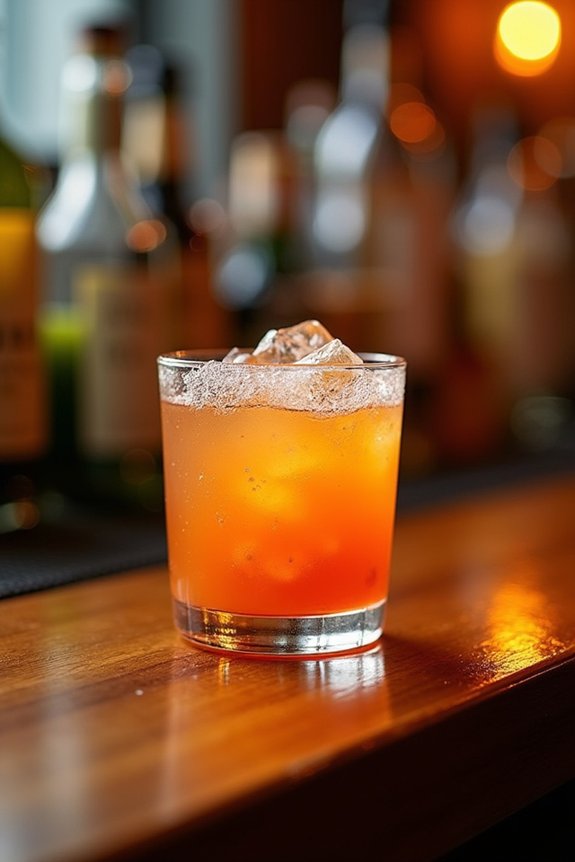
So what separates a mocktail from an actual cocktail? It’s simple: alcohol. When you order a cocktail, you’re getting a drink built on a base spirit. Mocktails skip that entirely. They mimic the experience—same flavors, same presentation, same vibe—but without the alcoholic foundation that defines true cocktails.
| Element | Cocktail | Mocktail |
|---|---|---|
| Base Spirit | Present | Absent |
| Flavor Profile | Complex | Complex |
| Sweetener | Included | Included |
| Alcohol Content | Yes | No |
Think of it this way: both taste great and look impressive. Both combine sweetener, flavor, and water. But cocktails follow that traditional formula—Booze plus everything else. Mocktails just remove one ingredient. That single difference puts them in a completely different category. You’re not getting a watered-down cocktail when you choose a mocktail. You’re getting something intentionally different.
Prohibition’s Impact on Cocktail Composition
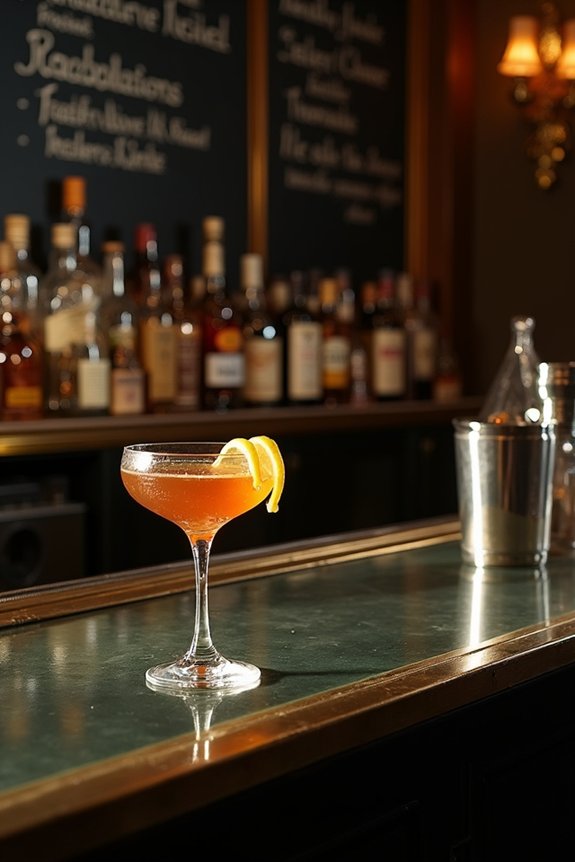
Why’d cocktails change so much during the 1920s and early 1930s? Prohibition forced bartenders to get creative with what they had on hand.
During this era, speakeasies served cocktails despite alcohol being illegal. The quality of available liquor tanked, so mixologists shifted their strategies:
During Prohibition, speakeasies served illegal cocktails as bartenders adapted to plummeting liquor quality and developed new mixing strategies.
- Gin became the spirit of choice because it’s easier to produce illegally than whiskey
- Sweet cocktails gained popularity as quick-to-drink options that masked low-quality spirit flavors
- Stronger masking ingredients like sugar and fruit juices covered up harsh tastes
You see, when your base spirit tastes rough, you compensate. Bartenders weren’t just mixing drinks—they were problem-solving. These sweet cocktails consumed faster during raids too, which made practical sense. This period cemented cocktails as social centerpieces, and the flavor preferences stuck around even after Prohibition ended.
How Modern Cocktails Maintain the Alcohol Standard
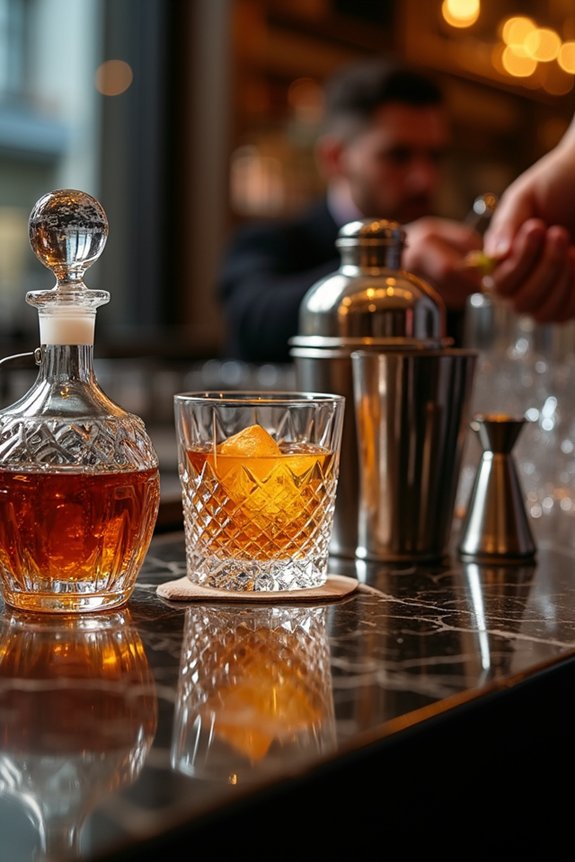
I’ll show you how today’s bartenders keep alcohol front and center in their drinks. Modern cocktails start with a base spirit—whiskey, gin, rum, or vodka—which is your core foundation, and then mixers like citrus juice, soda, or bitters enhance the flavor without replacing that alcohol base. You’ll find that whether a bartender’s mixing a simple two-ingredient drink or a complex five-ingredient creation, the alcohol content stays the priority, with other components like sweeteners and water (from ice or soda) balanced around it to create the right taste and texture.
Alcohol As Core Foundation
it’s got to have alcohol as its main ingredient. We’re talking about spirits—the base liquor that defines everything about your drink. When you order a cocktail, you’re getting alcohol first, with other components supporting it.
Think of it this way:
- Spirits are essential—whether it’s vodka, rum, or whiskey, the alcohol drives the flavor profile
- The ratio matters—most cocktails contain at least 1.5 ounces of spirits per serving
- Everything else supports the base—mixers, sweeteners, and bitters enhance what the alcohol brings to the table
You’re not just mixing random ingredients together. You’re building around that foundational spirit. That’s the core principle separating cocktails from mocktails. The alcohol isn’t optional—it’s the whole point.
Contemporary Recipe Standards
How do today’s bartenders keep cocktails true to their roots? They follow the Mother Formula. This classic framework guides modern cocktail creation: Booze + Sweetener + Flavor + Water. Each component matters equally.
| Component | Purpose | Example |
|---|---|---|
| Booze | Primary ingredient | Whiskey, vodka, rum |
| Sweetener | Balance | Simple syrup, agave |
| Flavor | Depth | Bitters, citrus, herbs |
Contemporary standards demand alcohol remains the foundation. You’ll notice even two-ingredient cocktails qualify when one’s a distilled spirit. That’s intentional. Modern definitions emphasize mixing liquor with additional ingredients rather than relying on water or garnishes alone.
This approach creates consistency. Bartenders call this craft “mixology”—the deliberate art of building balanced drinks. You’re joining a community that respects tradition while innovating responsibly.