Cornbread isn’t automatically dessert—it depends on sugar content, texture, and regional style. More than ¼ cup sugar per batch pushes it toward cake territory, while under 2 tablespoons keeps it bread-like. Northern cornbread tends sweeter and moister with wheat flour added, leaning dessert. Southern cornbread stays crumbly and savory with minimal sugar. Check the dairy too: milk creates cake-like moisture, buttermilk yields drier, crumbly texture. Sweet mix-ins like honey tip dessert; savory ones like jalapeños anchor bread identity. The full picture reveals where your cornbread truly lands.
The Quick Answer: When Cornbread Crosses Into Dessert Territory
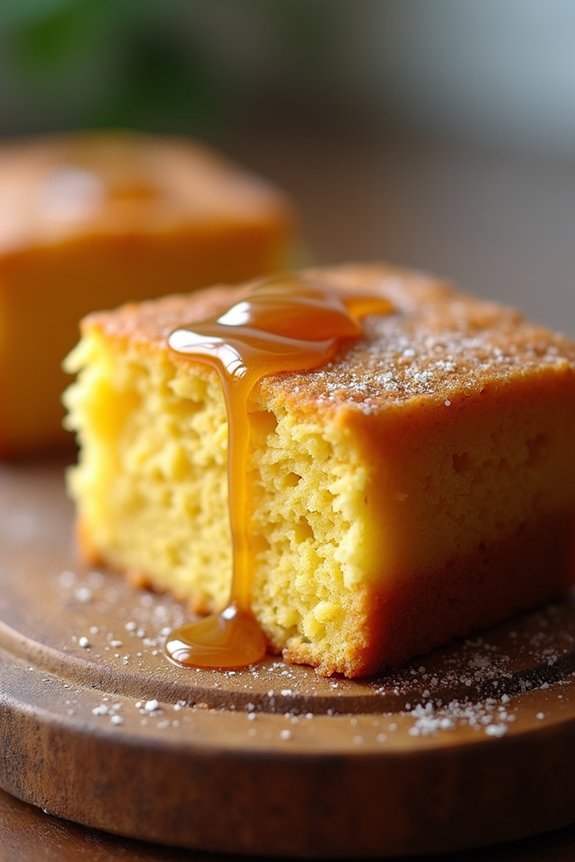
How do you know if you’re eating cornbread or dessert? The answer comes down to cornbread sweetness and texture. I’ve noticed that sweeter versions with a moist, cake-like crumb often taste like dessert. Drier, crumbly cornbread with minimal sugar? That’s bread territory. Here’s what I look for: Northern-style cornbread tends toward sweetness and softer texture, pushing it toward dessert status. Southern cornbread stays low-sugar and crumbly, remaining firmly in savory lane. The real teller is context. When I eat cornbread alongside chili or beans, it’s clearly bread. Served solo with syrup or honey drizzled on top? Now we’re talking dessert. Fatty additions like extra butter also signal dessert potential. Your cornbread’s identity depends on how it’s made and what surrounds it on your plate.
Sugar Content: The #1 Clue Cornbread Is Dessert
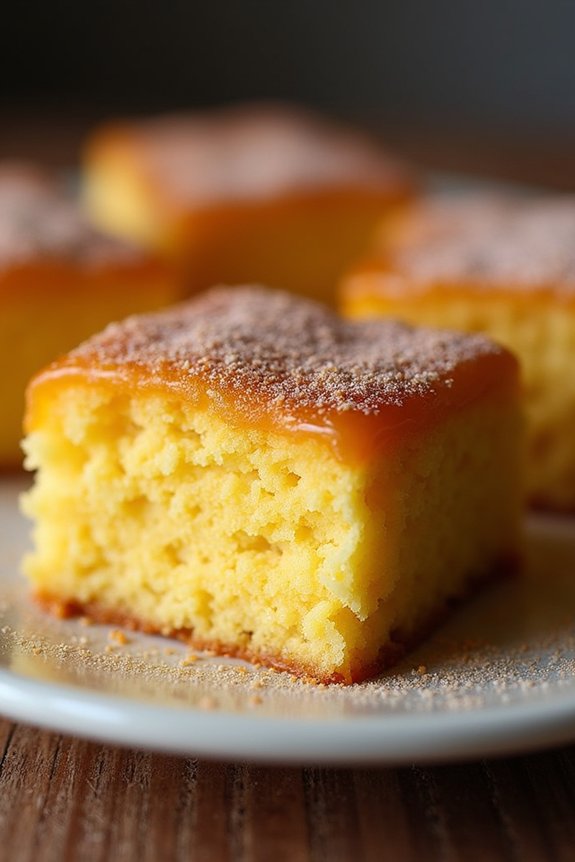
When you’re trying to figure out if cornbread is dessert or bread, sugar content is your biggest clue—and I’ll show you why this matters so much. Over time, recipes have actually trended toward using less sugar, which means older Northern versions with lots of sweetness now seem more dessert-like compared to modern takes that lean savory. You can spot the difference yourself: if a recipe calls for more than a quarter cup of sugar per batch, you’re looking at something closer to cake, but under two tablespoons keeps it solidly in bread territory.
Sweet Versus Savory Debate
What separates dessert cornbread from everyday bread? The sweetness level determines everything. I’ve found that sugar content transforms cornbread’s identity entirely.
| Characteristic | Dessert Cornbread | Bread Cornbread |
|---|---|---|
| Sugar Added | ¼ to ½ cup | Little to none |
| Texture | Moist, cake-like | Dry, crumbly |
| Wheat Flour | Significant amount | Minimal |
Northern cornbread leans dessert because it contains substantial sugar and wheat flour, creating that moist, sweet profile you’d expect from cake. Southern cornbread stays savory with minimal added sweetness and a drier crumb structure. The butter, eggs, and baking powder also matter—they create moisture and tenderness that nudge recipes toward dessert territory. You’re really choosing between two distinct traditions when you pick your cornbread style. One satisfies sweet cravings; the other complements dinner.
Historical Sugar Reduction Trends
Sugar’s journey into cornbread tells you everything about why some versions taste like cake and others taste like bread. I’ve noticed that sugar content is the real dividing line between dessert and bread.
Here’s what happened over time:
- Early cornbread contained no added sugar—just cornmeal, salt, water, and later buttermilk and eggs
- 18th–20th centuries brought sugar and wheat flour into recipes, making them sweeter and cake-like
- Regional splits emerged as Northern versions added more sugar while Southern versions kept it minimal
When you taste cornbread, check the ingredient list first. Higher sugar means dessert territory. Southern cornbread stays true to its roots with little sugar and a crumbly texture. Northern cornbread leans sweet and fluffy. That sugar difference explains why some folks consider cornbread a legitimate dessert while others see it purely as bread.
What Does Texture Reveal About Cornbread Classification?
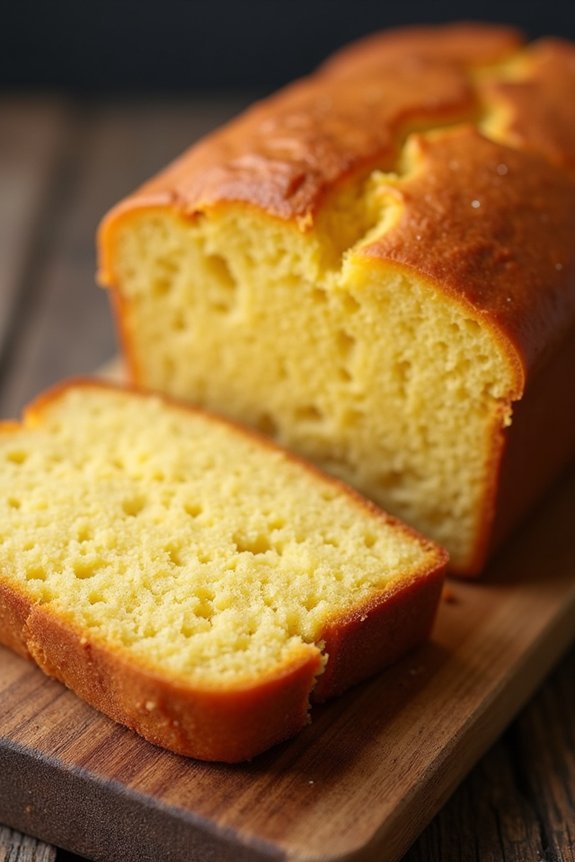
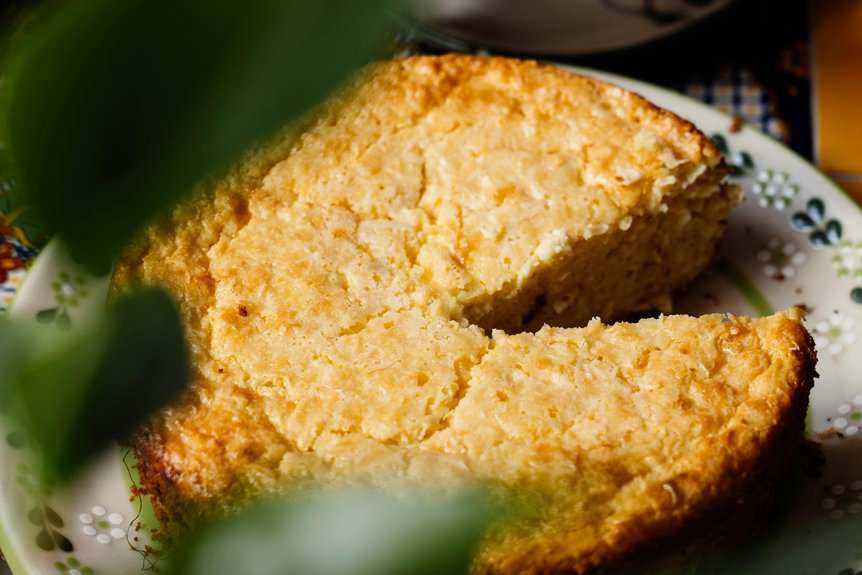
How can you tell if cornbread belongs in the bread basket or on the dessert plate? Texture tells the whole story. When you bite into cornbread, notice how it feels in your mouth. Does it crumble and fall apart? That’s Southern-style cornbread—dry, bread-like, and built for savory meals. But if it’s moist, tender, and cake-like, you’ve got Northern cornbread, which leans toward dessert territory.
The difference comes down to ingredients. Southern recipes skip extra wheat flour and dairy, creating that crumbly texture. Northern versions load up on milk and flour, producing a softer, moister crumb. Touch your cornbread. Press gently. A dense, moist piece suggests dessert status. A crumbly, light piece? That’s your sidekick for chili and beans.
Why Dairy Choice Matters to the Dessert Question
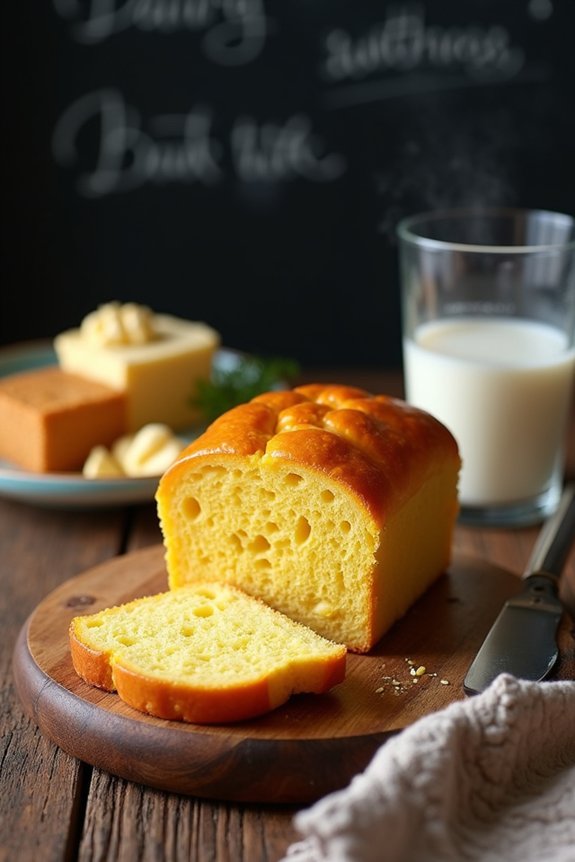
Texture tells one part of the story, but dairy choice writes another. What you pour into your cornbread batter fundamentally shifts whether it tastes like bread or dessert. I’ve found that buttermilk creates a distinct difference:
- Buttermilk produces a drier, crumbly texture that feels more like traditional bread, keeping the cornbread savory-leaning
- Milk creates a moister, cake-like crumb that tips toward dessert territory, especially in Northern recipes
- Buttermilk combined with minimal sugar aligns with Southern-style cornbread, while milk with higher sugar pushes it decidedly into dessert zone
The dairy you choose interacts with fat and leavening to determine softness and sweetness perception. Buttermilk’s tang counters sweetness naturally, making cornbread feel less dessert-like. Milk alone won’t do this. Choose your dairy intentionally. It’s the deciding factor between bread and cake.
The North-South Divide in Cornbread Traditions
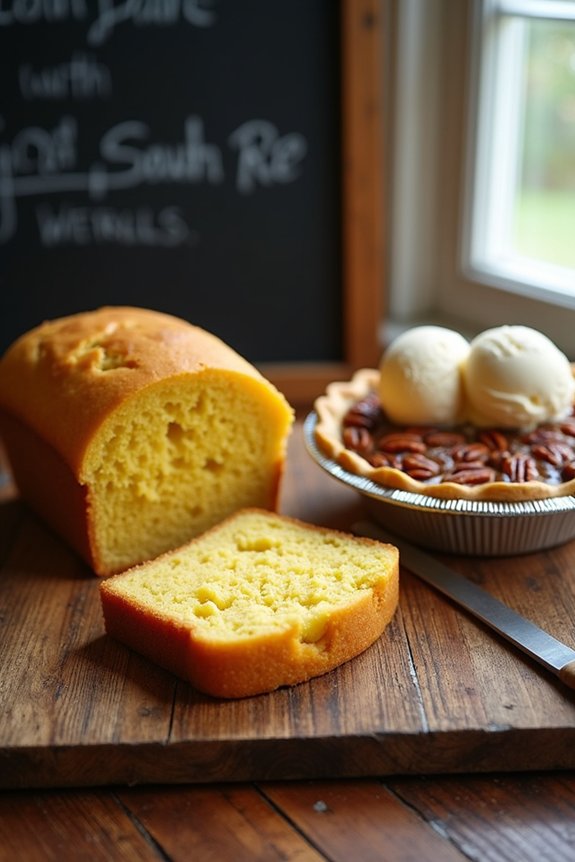
Where you’re from shapes your cornbread more than you’d think. Up North, bakers create a cornbread cake-like texture by mixing in wheat flour and sugar. They bake it in a pan, producing something moist and spongy—basically dessert. Down South, cooks skip the sugar and extra flour. They use mostly cornmeal, buttermilk, and butter in a cast-iron skillet, creating dry, crumbly bread instead.
The differences run deeper than ingredients. Northern versions sometimes feature molasses or honey, tasting noticeably sweet. Southern cornbread stays savory and pairs with chili or greens. Think of it this way: Northern cornbread stands alone as a treat. Southern cornbread complements your main dish. Your region’s tradition determines whether you’re eating bread or dessert.
Why Cornbread Batter Composition Signals Dessert or Bread
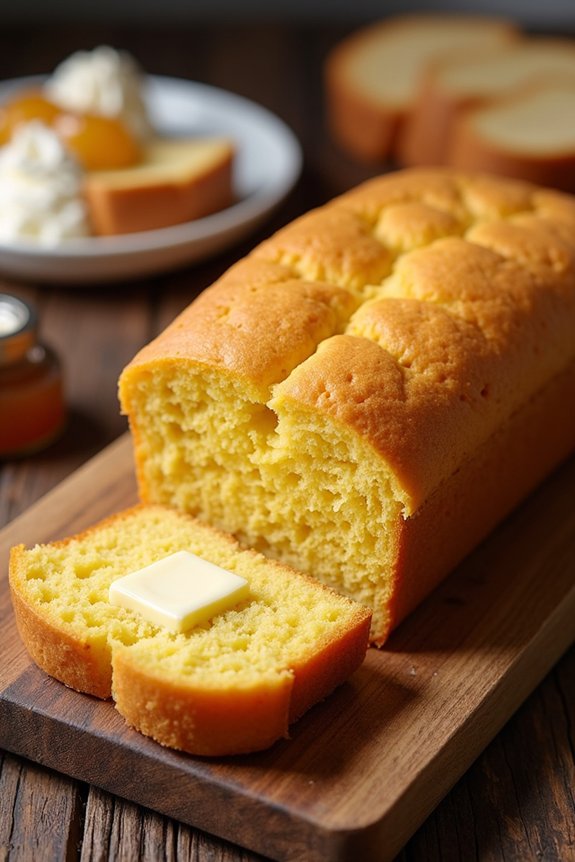
What you mix into your cornbread batter determines whether you’re making dessert or bread—and it’s simpler than you’d think.
Your ingredient choices create two distinct paths. Here’s what signals which direction you’re heading:
Your ingredient choices create two distinct paths: one toward dessert, one toward bread.
- Sugar content and flour type: Higher sugar amounts combined with wheat flour push your batter toward cake-like dessert territory. Lower sugar with cornmeal-dominant recipes keep things bread-focused.
- Buttermilk and egg ratios: More eggs and buttermilk create a moister, tender crumb that borders on cake. This combination signals dessert, especially when paired with sweetness.
- Batter consistency: Thicker batters tend toward cake texture, while looser, crumblier batters yield bread-like results with drier interiors.
Understanding your batter composition helps you predict your final product’s identity before you even preheat the oven.
How Presentation Context Signals Dessert
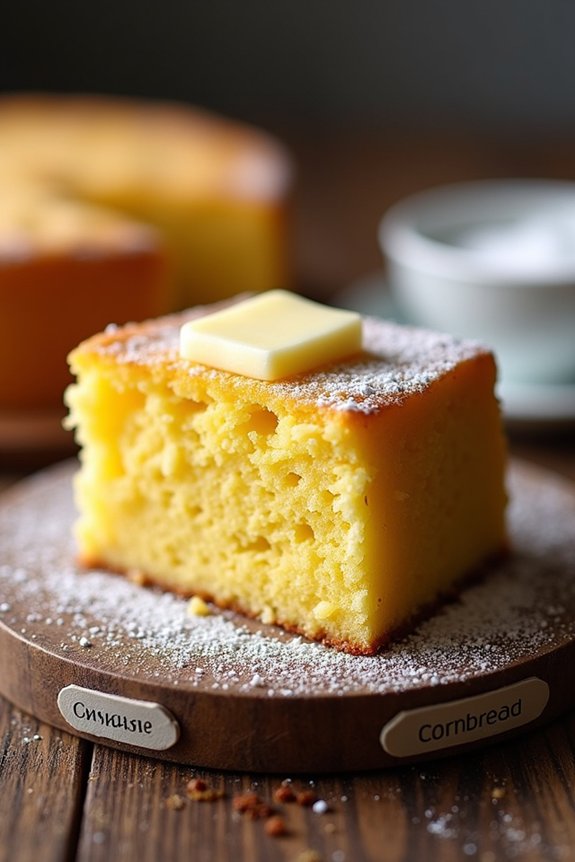
Ever notice how the same cornbread tastes different depending on where you eat it and what comes with it? Context matters. When a restaurant plates cornbread alongside whipped butter and positions it after your meal, you’re getting a dessert presentation. The setting signals intention. Facebook posts from places like Bethany Blues frame cornbread with sweet toppings, and readers respond by treating it like dessert. That’s not accident—it’s strategy. Local venues in Rehoboth use plating, timing, and pairings to shift how you perceive cornbread. Whipped butter becomes a topping choice that says “sweet course,” not “bread basket.” Comments extending this to hush puppies show audiences picking up on these cues. The venue, the company, the plate itself—they all tell you whether you’re eating bread or dessert.
Flavor Additions That Push Cornbread Toward Sweet
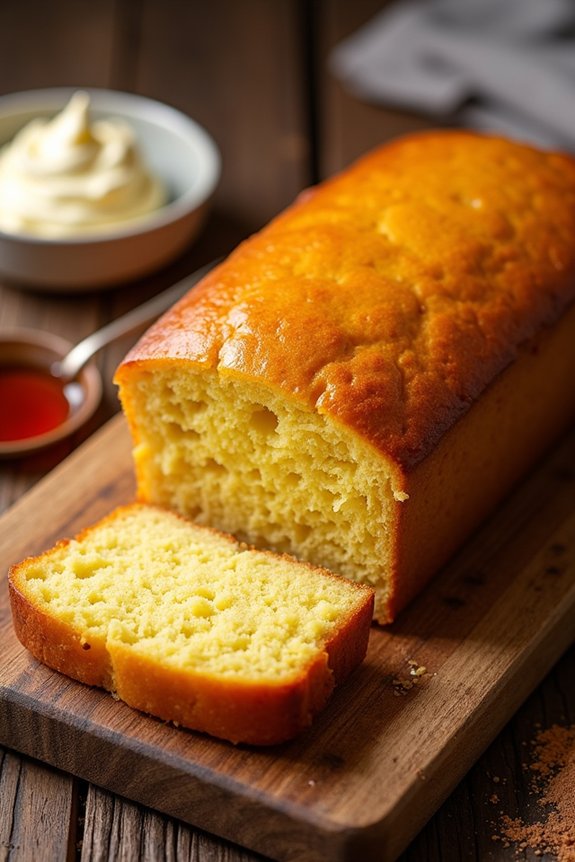
When you add sugar and sweetness to your cornbread batter, you’re basically shifting it from bread territory into dessert land—more sugar means a softer, cake-like crumb that tastes more like a treat than a side dish. Now here’s where it gets interesting: you can actually use savory ingredients like jalapeños to create contrast, and this back-and-forth between sweet and spicy flavors is what makes cornbread so versatile. The key is understanding that these flavor additions work together, so a cornbread with both honey and jalapeños lands somewhere in the middle rather than firmly on either the sweet or savory side.
Sugar And Sweetness Impact
How much sugar you add to cornbread basically determines whether it’ll taste like dessert or bread.
Here’s what I’ve noticed about cornbread-sweetness levels:
- High sugar content (¼ cup or more) pushes cornbread toward cake-like territory with a tender crumb and dessert-style finish.
- Moderate sugar (2-3 tablespoons) creates a balanced middle ground where cornbread stays bread-like but with subtle sweetness.
- Minimal or no sugar keeps cornbread true to its bread identity with a dry, crumbly texture that pairs perfectly with savory dishes.
Northern-style recipes typically use molasses or honey alongside sugar, amplifying that dessert quality. Southern cornbread skips added sweetness entirely, staying true to cornmeal’s natural flavor. I find that once you understand this sugar relationship, identifying where your cornbread falls on the dessert-to-bread spectrum becomes straightforward.
Jalapeño And Savory Contrasts
What happens when you add jalapeños to cornbread? You’re pushing it firmly into savory territory. Those peppers bring heat that actually masks sweetness, making your cornbread taste more like dinner bread than dessert. I’ve noticed that jalapeño cornbread typically includes cheese and corn kernels too, all working together to create that savory vibe you’re looking for.
The magic happens when you bake this in a hot cast-iron skillet—around 400°F for about 20-25 minutes. You’ll get crispy, golden edges that feel substantial and bread-like. The chili heat from those jalapeños overrides any sugar lingering in the recipe, shifting your perception away from cake-like sweetness. This is classic Texan-style cornbread: savory, sturdy, and perfect alongside dinner rather than dessert.
Which Cornbread Mix-Ins Move It Into Dessert Territory
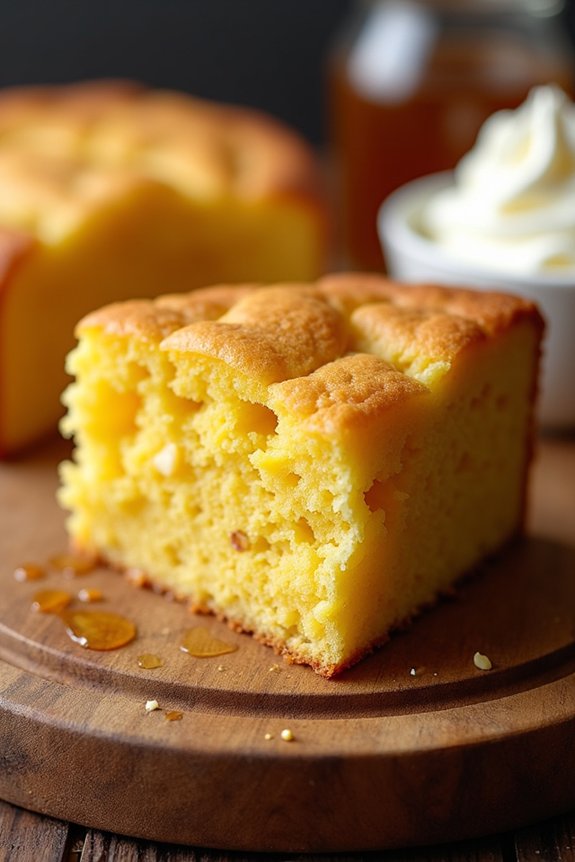
The mix-ins you choose for your cornbread act like a flavor compass, pointing it either toward dessert or savory bread. When you’re deciding what goes into your batter, sweetness levels matter most. Here’s how different additions shift your cornbread’s identity:
- Sweet additions – Honey, maple syrup, chocolate chips, and blueberries push cornbread firmly into dessert territory. These ingredients boost sweetness and create that cake-like texture you’d expect from a sweet treat.
- Savory additions – Jalapeños, sharp cheddar cheese, corn kernels, and bacon bits anchor cornbread as a bread. They counter any sweetness and emphasize the savory crumb.
- Neutral additions – Nuts and seeds work either way, depending on what else you’ve included.
Your mix-in strategy determines whether you’re serving cornbread alongside chili or plating it as dessert.
Cornbread Ratios: When Ingredients Tip Toward Dessert
I’ll show you how the ratio of sugar to butter actually determines whether you’re baking bread or dessert. When you add more than 2-3 tablespoons of sugar per cup of cornmeal and increase your butter or buttermilk, you’re pushing toward that cake-like sweetness and moisture that feels more indulgent. The key is simple: higher sugar plus more fat equals dessert cornbread, while minimal sugar and less fat keeps it in savory bread territory.
Sugar Content Determines Classification
Sugar acts as the main ingredient that pushes cornbread from savory bread territory into dessert territory. I’ve noticed that the amount of sugar you add fundamentally changes what you’re actually baking. Here’s how sugar content shifts cornbread’s identity:
- High sugar (¼ cup or more) creates a moist, cake-like texture that tastes like dessert and works perfectly as a standalone treat.
- Moderate sugar (2-3 tablespoons) sits in the middle ground, offering slight sweetness while maintaining bread characteristics.
- Minimal or no sugar keeps cornbread savory and crumbly, pairing well with chili or soups.
When you’re making cornbread, check your recipe’s sugar ratio first. That single ingredient determines whether you’re preparing bread for dinner or dessert for after.
Butter And Sweetness Balance
How much butter you use matters just as much as the sugar when you’re deciding whether your cornbread becomes a dessert. I’ve found that generous butter—around 4 to 6 tablespoons per batch—creates that rich, cake-like crumb that signals dessert territory. The butter and sweetness balance works together. When you combine high butter content with 1/4 cup or more of sugar, you’re pushing cornbread firmly into sweet territory. Less butter, around 2 tablespoons, paired with minimal sugar keeps things savory and breadlike. The fat enhances richness and moisture, making the crumb feel indulgent. Think of it this way: modest butter plus low sugar equals bread. Generous butter plus high sugar equals dessert. That balance determines everything.
What People Get Wrong About Cornbread Being Dessert
The confusion about cornbread’s classification comes down to one thing: folks often judge it by the wrong standards. I’ve noticed people make these common mistakes:
- Assuming all cornbread is the same – Southern versions use minimal sugar and stay crumbly, while Northern styles pack more sweetness and moisture. They’re basically different foods.
- Confusing cornbread-sweetness with dessert status – Just because something tastes sweet doesn’t make it dessert. Cornbread’s sugar content matters less than its texture and how you serve it.
- Focusing only on toppings – Pairing cornbread with honey or sweet butter doesn’t transform it into dessert. The base recipe and preparation method determine its real identity.
The key? Look at the original recipe, not just how you eat it.
Common Misconceptions About Cornbread Classification
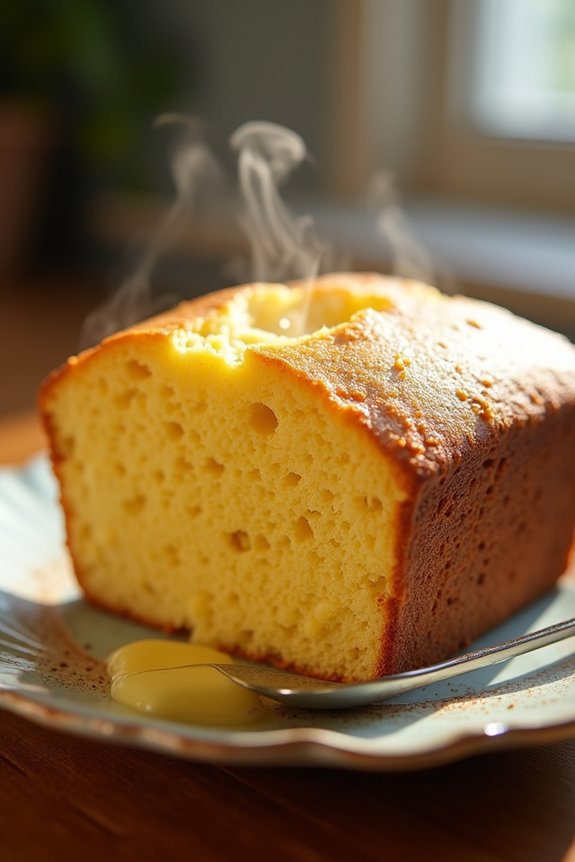
When does cornbread stop being bread and become dessert? The answer hinges on sugar content and how we serve it. I’ve found people often assume all cornbread belongs in one category, but that’s not accurate.
| Factor | Bread-Like | Dessert-Like |
|---|---|---|
| Sugar Content | Under 2 tablespoons per batch | 3+ tablespoons per batch |
| Texture | Dry, crumbly, firm | Moist, cake-like, tender |
| Serving Context | With chili or beans | Standalone with honey or butter |
The biggest misconception? That cornbread’s ingredients alone determine its role. Really, regional traditions matter enormously. Southern cornbread stays savory and bread-focused with minimal sugar. Northern versions embrace sweetness and dessert positioning.
I’d encourage you to taste both styles. You’ll notice the difference immediately—one satisfies like bread, the other like cake.